
Automotive
Brake Warning Signs Drivers Learn to Ignore
Squealing, vibration, a spongy pedal and longer stopping distances are all signals to get brakes checked. Here is what wears, and what ignoring it costs.

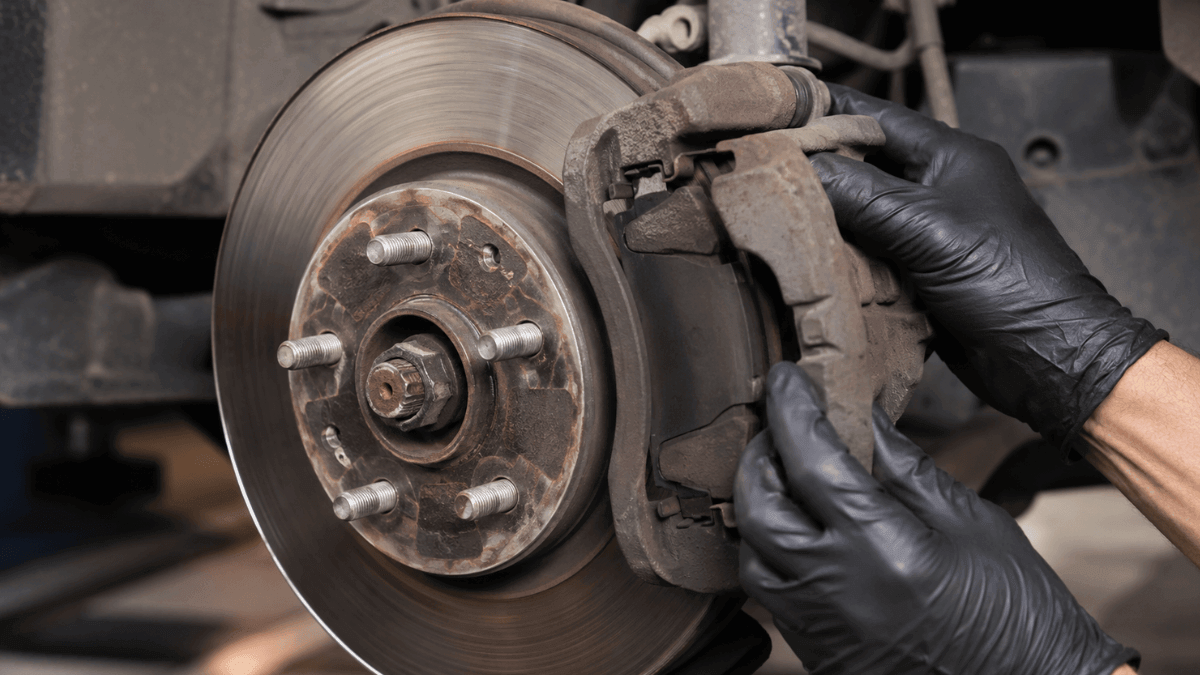
Brakes are the only system on a vehicle that everyone depends on and almost nobody thinks about. They work quietly for thousands of kilometres, and because nothing announces their decline, the warning signs get treated as background noise. That is the problem: brakes rarely fail without notice. They give plenty of notice. Drivers learn to ignore it.
Why Brake Problems Should Never Be Ignored
A brake fault is different from other maintenance items. A worn wiper blade is an annoyance; a worn brake is a risk to the driver, the passengers and everyone else on the road. And unlike many mechanical issues, the decline is gradual and easy to test: the pedal tells you, the noise tells you, and the vehicle’s behaviour tells you, long before the system fails outright.
Treating the early signs as urgent is not overcautious. It is the difference between a pad replacement and a brake system rebuild.
The Warning Signs Drivers Miss
These are the symptoms worth acting on the first time, not the fifth:
- Squealing or squeaking when braking, which usually means the pads have worn down to their wear indicators and are asking for attention
- Grinding or metal-on-metal noise, which means the friction material is gone and the backing plate is contacting the disc. This is a stop-driving-and-book-it-now symptom
- Vibration through the pedal or steering wheel under braking, a sign of warped or unevenly worn discs
- A soft or spongy pedal that sinks further than it used to, pointing to air or a leak in the hydraulic system
- The vehicle pulling to one side under braking, often a seized caliper or uneven pad wear
- A burning smell or unusual heat from a wheel after driving, which suggests a caliper that is not releasing
- The brake warning light staying on, which should be diagnosed rather than dismissed
Individually, each of these has an explanation. Ignored over time, or appearing together, they describe a system that is no longer doing its job reliably.
What Neglect Actually Costs
This is the part people do not see. Brakes wear as a system, and when one part is left to fail, it damages the parts around it:
- Pads worn past their limit score and destroy the discs, turning a pad replacement into a disc and pad replacement
- Discs worn below their minimum thickness cannot be machined and must be replaced
- Metal-on-metal contact generates heat that damages calipers, and calipers cost far more than pads
- Brake fluid overdue for replacement absorbs moisture, which corrodes internal components from the inside
- A partially seized caliper drags, wearing pads and discs on one wheel long before the others
Every step in that list costs more than the one before it. A set of pads fitted when the squeal starts is routine maintenance. The same vehicle two years later may need discs, calipers and a hydraulic overhaul, and there is no version of those two years where ignoring the noise saved money.
Then there is the cost that never appears on an invoice: the crash that was preventable. Stopping distances are not a suggestion; they are the margin between a near miss and something far worse, and worn brakes remove that margin quietly.
Why Small Repairs Stay Small
The economics are simple. Brake components are designed to be replaced in service, in sequence: pads wear first, then discs, with the fluid aging on its own schedule. Replace each at the right point and the system stays healthy for the life of the vehicle at predictable cost. Let one part run past its limit, and it takes the next one with it.
What Well-Maintained Brakes Do for Everyday Driving
- Shorter, more predictable stopping distances, particularly in an emergency
- Consistent pedal feel, so the vehicle responds the same way every time
- Longer service life for discs and calipers
- Fewer unplanned workshop visits and lower lifetime repair costs
- Confidence in wet weather and on hills
Choosing a Workshop You Can Trust
Brake work should come with an explanation: what was inspected, what was measured, and what the measurements were. Pads and discs have minimum thickness specifications, and a workshop worth using can show you the numbers rather than telling you it is about time. If a quote arrives with urgent work on every corner of the vehicle and no measurements behind it, get a second opinion before authorising anything.
Regular inspections are the other half of the habit. Brakes should be checked at every service rather than only when something sounds wrong, because several of the failures above develop without any noise at all. Ask for that check explicitly, and ask what the measurements showed.
Safety on the road is not only about how you drive. It is also about what is happening underneath the vehicle when you press the brake pedal. The warning signs above are the system asking for attention early, when the answer is cheap. Answer them early, and the expensive version of this article never applies to you.

Automotive
Why Your Car Battery Dies So Fast
Short trips, heat, a faulty alternator and a parasitic drain are the usual reasons a battery goes flat. Here is what to test first and how to make one last.

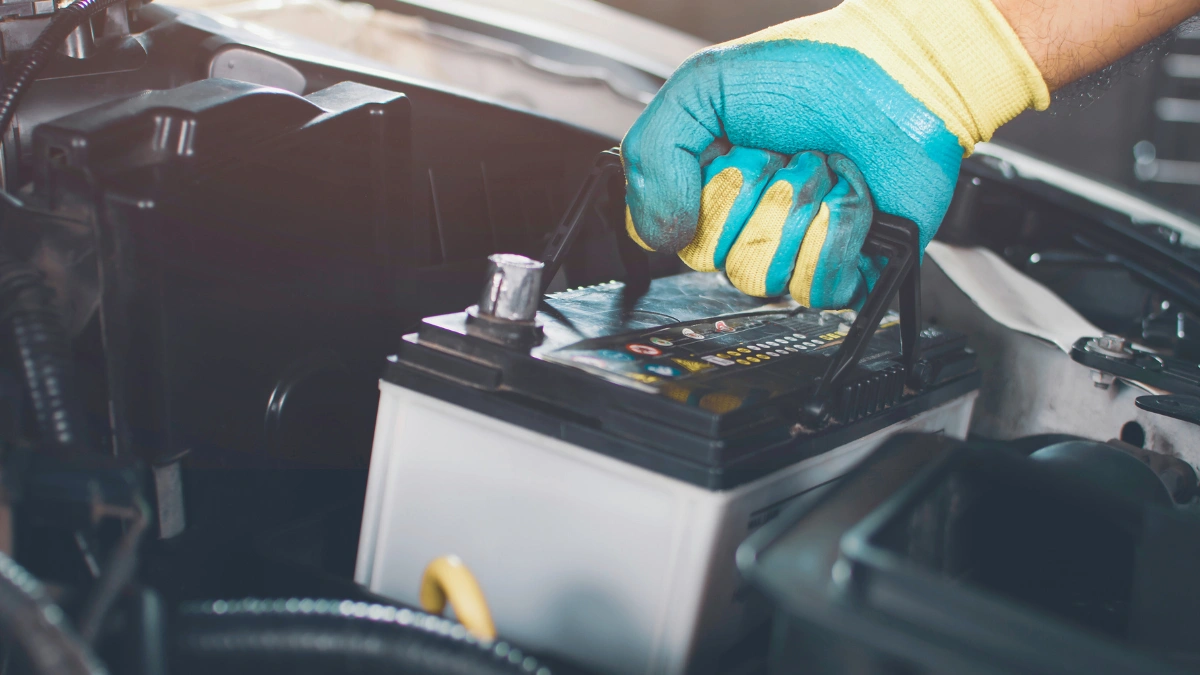
A flat battery picks its moments. It dies in a shopping centre carpark, on the morning of an early meeting, or after the car has sat unused for a fortnight. It is one of the most annoying failures a car can have, and one of the most diagnosable.
There are seven common reasons a battery drains quickly. Some you can check yourself in the driveway; a couple need an auto electrician. Here is how to tell them apart.
1. An Ageing Battery
Batteries do not last forever, and how long one lasts is decided mostly by use and climate. Heat is the harder of the two on a battery, which is why cars in hot parts of Australia tend to go through them sooner.
What to look for: slow cranking, dim headlights, or a clicking sound when you turn the key. If the battery is a few years old and showing any of those signs, have it tested. That is a quick stop at a mechanic or battery retailer.
2. Extreme Heat or Cold
Australian summers are hard on batteries. High temperatures accelerate the chemical reactions inside them and shorten their life. Cold snaps do the opposite to the oil, thickening it and making the battery work harder to turn the engine over. Climate alone will not drain a battery overnight, but it shortens the runway.
3. Short Trips and Stop-Start Driving
This is the counter-intuitive one. Short trips may be convenient, but the alternator does not get enough running time to recharge what the starter used, especially in modern cars with a long list of electronics. A battery that is always slightly undercharged fails earlier than one that gets a decent run.
The fix is simple: take the car for a longer drive regularly, or put a smart charger on it if it mostly does short school runs.
4. A Parasitic Power Drain
Even with the ignition off, alarms, clocks, radios and electronic modules draw a small current. That is normal. A fault, however, can turn a small draw into a flat battery by morning, and it usually traces back to faulty wiring, an interior light that stays on, or an aftermarket accessory wired incorrectly.
This one needs an auto electrician. The drain has to be measured and traced, and that takes the right meter and the patience to use it.
5. A Faulty Alternator or Charging System
The battery stores power; the alternator replenishes it. If the alternator or the charging circuit is faulty, no battery stays charged, no matter how new it is.
Symptoms: the battery warning light, flickering electrics, or a burning smell from the engine bay. Stop driving and book a workshop, because a failing charging system strands you eventually.
6. Corroded or Loose Terminals
Dirty, loose or corroded terminals stop power moving efficiently between the alternator and the battery, and even a fully charged battery can fail to start the car. This is the one to check yourself first: look for the chalky blue-green crust on the terminals, and have them cleaned and tightened if you find it.
7. Too Many Accessories Running
Phone chargers, dash cams, infotainment screens and sound systems all draw power, and running several of them with the engine off drains a battery surprisingly fast. If you regularly use accessories while parked, consider a dual-battery setup so the starting battery stays out of it.
When to Seek Professional Help
If you have replaced the battery recently and it is still draining, the problem is in the electrical system, not the battery. Getting it diagnosed early saves the cost of a second battery and protects the components that fail when voltage runs low. An auto electrician can test the charging system, find a parasitic drain and repair the fault.
How to Prevent Premature Battery Failure
- Drive longer distances where you can
- Keep the terminals clean and tight
- Switch off lights and electronics when you park
- Test the battery annually once it is a few years old
- Park in shade or under cover where possible, since heat shortens battery life
Check Before You Replace
A fast-draining battery is rarely a mystery, and it is never worth ignoring. Check the terminals, look at your driving habits, and if the problem continues, get the electrical system tested. A little diagnosis now is cheaper than a tow truck later.
Automotive
EV vs Petrol: The Five-Year Sum, and the Numbers Only You Can Fill In
Work out what an electric car really costs to run against a petrol one: charging, servicing, rebates, resale and the range trade-off on long trips in Australia.

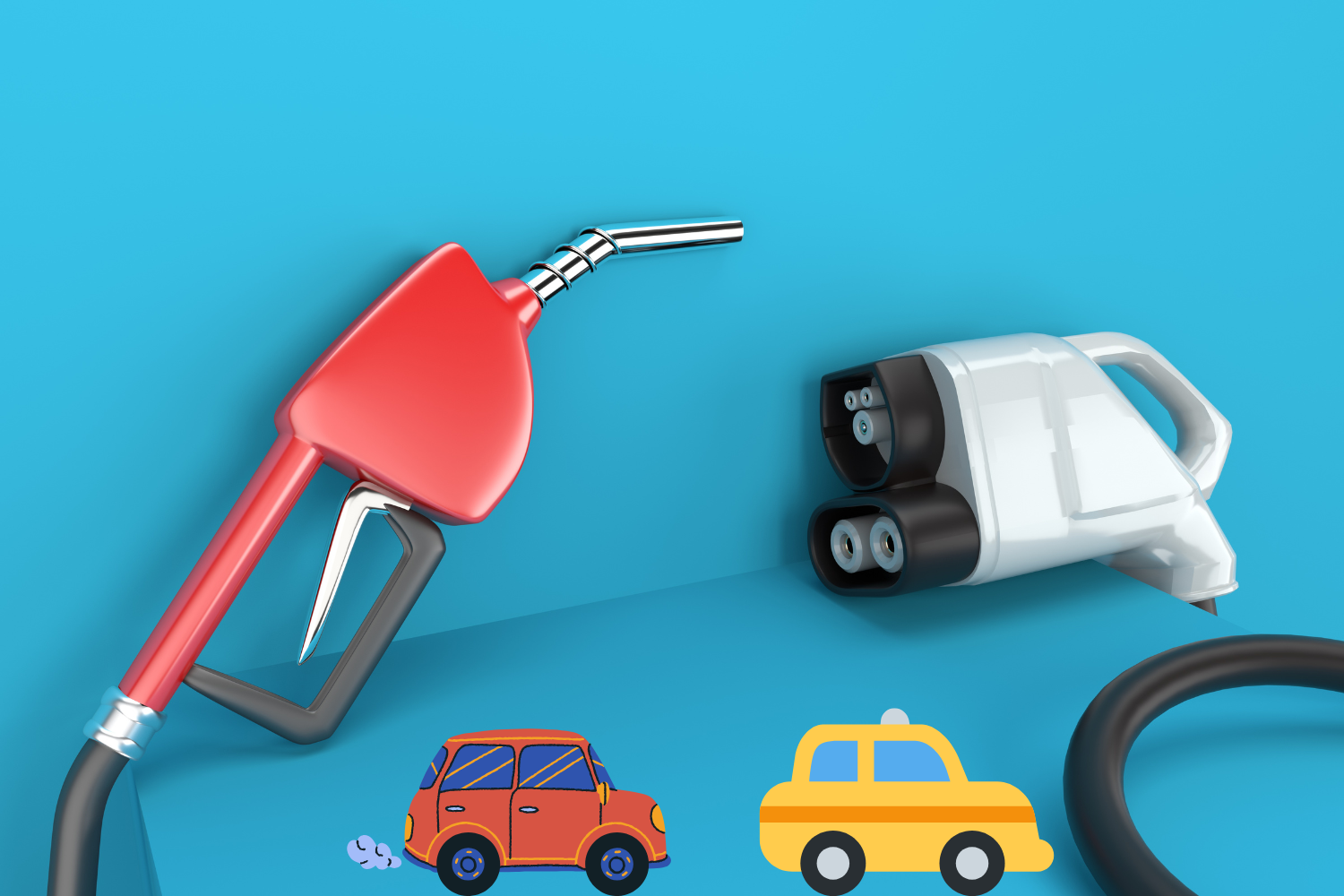
Two cars can look close on the sticker price and miles apart after five years of ownership. The difference comes down to a short list of variables: how far you drive, where you charge, what you pay for electricity, what the car costs to buy and what it is worth when you sell it. This guide looks at each variable in turn, and which way it usually pushes the numbers.
It does not put a dollar figure on five years of ownership. Those figures change with your postcode, your tariff and your model choice, and any article quoting national averages will be wrong for most readers. The useful version of this comparison is structural: which costs rise, which fall, and what to check before you commit.
Long-Term Value of Electric Vehicles (EVs)
Purchase price. An electric car usually costs more than a petrol car of similar size. That gap has narrowed as more models have arrived, but it has not closed, and it is the single biggest number in the five-year sum. Any running-cost advantage has to earn back that difference over the years you keep the car.
Energy. Electricity is generally the cheapest way to move a car, and charging at home is the cheapest way to buy electricity. A driver with a driveway and an off-peak or solar tariff gets the best version of this. A driver relying on public fast chargers pays considerably more, though still usually less than petrol on a per kilometre basis. Your electricity plan matters as much as the car.
Servicing and wear. Electric drivetrains have far fewer moving parts, no oil changes and no exhaust system, so scheduled servicing is simpler. Regenerative braking also does much of the slowing, which stretches brake life. Both effects show up as lower maintenance over five years, though not zero: tyres, suspension, cabin filters and software all still need attention.
Incentives. State and territory programs have come and gone as EV uptake has grown. Some registration or stamp duty concessions remain in place, others have closed. Check your state’s current scheme rather than trusting a figure from a couple of years ago, and do it before you sign anything.
Resale value. This is the least settled part of the equation. The used EV market is younger, battery condition is harder for a buyer to judge, and new model releases move values. Resale will depend heavily on the specific model, its battery health and how fast the segment keeps changing.
Long-Term Value of Fuel Vehicles
Purchase price. A petrol car remains the cheaper way in, both new and used. The used market is deep and competitive, which means more choice at every budget and more room to negotiate.
Fuel. This is the cost that scales with every kilometre and every pump price rise. A fuel-efficient car softens the blow, but the exposure to petrol prices never goes away. For high-kilometre drivers, this line item is where the five-year comparison is usually decided.
Servicing. Petrol cars have more routine items to replace: oil, filters, belts, spark plugs. The trade-off is that servicing is cheap, quick and available almost everywhere, and parts are easy to source. Budgets are predictable because the schedule is well understood.
Refuelling and range. Filling a tank takes minutes and the network is everywhere. For long regional drives, towing, or anyone who cannot charge at home, this remains the practical argument for petrol, and it is a strong one.
Resale value. Depreciation on a petrol car is generally more predictable because the market is mature. It is not better, just easier to forecast.
Time Efficiency: EVs vs. Fuel Vehicles
The time question is usually framed as charging versus refuelling, but that is only half of it. A petrol car trades a few minutes at the pump for the trip to get there, repeated every week or two. An electric car charged at home removes that errand entirely: the car refills overnight while you sleep, and you start most days with a full battery.
The balance tips the other way on long trips. Fast chargers add time to a journey that petrol would not, and a driver without home charging will spend regular time at public chargers. For a household with a driveway and a mostly local routine, the EV wins the time comparison. For a driver doing long regional runs every week, it does not.
The other time item is servicing. Fewer moving parts mean fewer workshop visits over five years, which is a quiet but real saving for anyone who has spent a Saturday morning at a service centre.
The Five-Year Ledger, Line by Line
Put the cost items side by side and the shape of the decision becomes clear.
| Cost item | Electric | Petrol |
|---|---|---|
| Upfront price | Higher for a comparable new car, and narrowing slowly | Lower entry point and a deeper used market |
| Energy or fuel | Cheapest when charged at home; public charging costs more | Scales with pump prices and distance driven |
| Servicing | Fewer moving parts, no oil changes, simpler schedule | More routine items, but cheap and widely available |
| Wear items | Regenerative braking reduces brake wear | Brakes and fluids wear as normal |
| Incentives | Vary by state and territory, and change often | Rules favouring lower-emission vehicles also apply to some hybrids |
| Resale | Less settled; battery health and model churn dominate | Established market, more predictable |
| Time | Weekly fuel stops disappear if you charge at home; long trips need planning | Quick refuelling with no charging plan required |
The cells are deliberately empty of dollars, because the dollars belong to your situation. Before you decide, fill in four local numbers: your annual kilometres, your electricity tariff and charging options at home, the current incentives in your state or territory, and an insurance quote for both cars. Add a servicing estimate for each from a local workshop. Those six numbers decide the comparison, not the marketing on either side.
Arithmetic, Not Ideology
There is no universal winner, only a winner for your circumstances. If you drive moderate distances, can charge at home and keep cars for years, the electric option usually wins on running costs and wins clearly on servicing. If you buy at the affordable end, tow, cover long regional distances or park on the street with no way to charge, petrol remains the rational choice, and no amount of national average will change that.
The five-year answer is arithmetic, not ideology. Run your own numbers and the decision makes itself.
Sources: Australian Electric Vehicle Council, running cost guidance; Australian Government green vehicle guidance; state and territory electric vehicle incentive programs.


 Home & Garden1 year ago
Polycarbonate Roofing: What It Is Good For, and What It Is Not
- Travel1 year ago
Getting Involved in Alice Springs: Clubs, Events and Community Groups
- Healthcare1 year ago
Plantar Warts: The Treatment Ladder, From Patience to Surgery
- Healthcare1 year ago
GP Chronic Condition Management Plans: How Medicare Funds Ongoing Care (the plan formerly called EPC)
- Healthcare1 year ago
Heel Pain: Five Causes, One Order of Treatment
- Healthcare1 year ago
The Role of Speech Therapy in Treating Common Speech & Language Disorders
- Healthcare1 year ago
Laser Treatment for Nail Fungus: What It Involves and What the Evidence Says
- Travel12 months ago
The Ultimate Family Guide to Uluru: Fun Things to Do, Where to Stay & What to Pack