
Listing
Accessible Features Every Medium Term Accommodation Should Have


Medium Term Accommodation (MTA) plays a crucial role in providing safe, comfortable and supportive living arrangements for people who may require temporary or semi-permanent housing. Whether for NDIS participants, individuals transitioning between homes, or people needing rehabilitation support, accessibility is paramount. Choosing Medium Term Accommodation in Sydney with the right features ensures residents can live independently and safely.
1. Wheelchair-Accessible Entrances and Pathways
A fully accessible MTA must have entrances without steps, wide doorways, and ramps where required. Smooth, non-slip pathways both inside and outside the property make moving around safer for wheelchair users and those with mobility aids.
- Doorways should ideally be at least 850mm wide.
- Ramps should have gentle slopes and handrails for added support.
- Automatic doors or lever-style handles enhance usability.
2. Accessible Bathrooms and Toilets
Bathrooms are a critical area for accessibility. Features should include:
- Roll-in showers with grab bars
- Height-adjustable shower heads
- Non-slip flooring
- Raised or adjustable toilets
- Space for wheelchair manoeuvring
These features help residents maintain hygiene independently while reducing the risk of accidents.
3. Kitchen Accessibility
A functional and accessible kitchen enables residents to prepare meals safely. Key features include:
- Lowered countertops and sinks for wheelchair access
- Open space under sinks and cooktops for seated use
- Lever-style taps and easy-to-reach storage
- Pull-out shelves and drawers for convenience
Accessible kitchens promote independence and empower residents to manage daily living tasks.
4. Bedroom Accessibility
Bedrooms should allow easy movement and safe access to furniture and storage:
- Sufficient space around the bed for mobility aids
- Adjustable beds if required
- Wardrobes and drawers at reachable heights
- Emergency call systems for added security
A well-designed bedroom supports comfort, rest and personal independence.
5. Smart and Assistive Technology
Modern MTAs increasingly use technology to enhance accessibility and safety:
- Automated lighting and climate control
- Voice-activated or touch controls for doors, windows, and appliances
- Visual and auditory alarms for emergencies
- Smart home integration to monitor mobility and wellbeing
Technology ensures residents can interact with their environment safely and independently.
6. Safe and Supportive Outdoor Areas
Accessible outdoor areas are essential for wellbeing and mobility:
- Smooth, non-slip surfaces
- Ramps and handrails where necessary
- Garden beds at accessible heights
- Adequate seating and shade areas
Outdoor spaces encourage activity, relaxation, and social interaction in a safe environment.
7. Emergency and Safety Features
Safety features are vital in medium term accommodation:
- Emergency call buttons or cords in bedrooms, bathrooms, and common areas
- Accessible fire exits and evacuation plans
- Non-slip floors and handrails throughout
- Well-lit hallways and staircases
These measures protect residents and provide peace of mind to both users and caregivers.
8. Proximity to Support Services
While not a structural feature, location is an accessibility factor:
- Close to healthcare services, shops, and transport
- Easy access for support workers and therapists
- Safe routes for walking or wheelchair travel
Selecting Medium Term Accommodation in Sydney near essential services improves convenience and quality of life.
Final Thoughts
Accessible features in medium term accommodation are essential for promoting independence, safety, and comfort for all residents. When searching for Medium Term Accommodation in Sydney, prioritising properties with wheelchair-accessible entrances, bathrooms, kitchens, bedrooms, smart technology, outdoor spaces, and safety features ensures that the accommodation meets the needs of every individual.
By choosing accommodation with these features, residents and their families can enjoy peace of mind, knowing the environment is designed for accessibility and support.
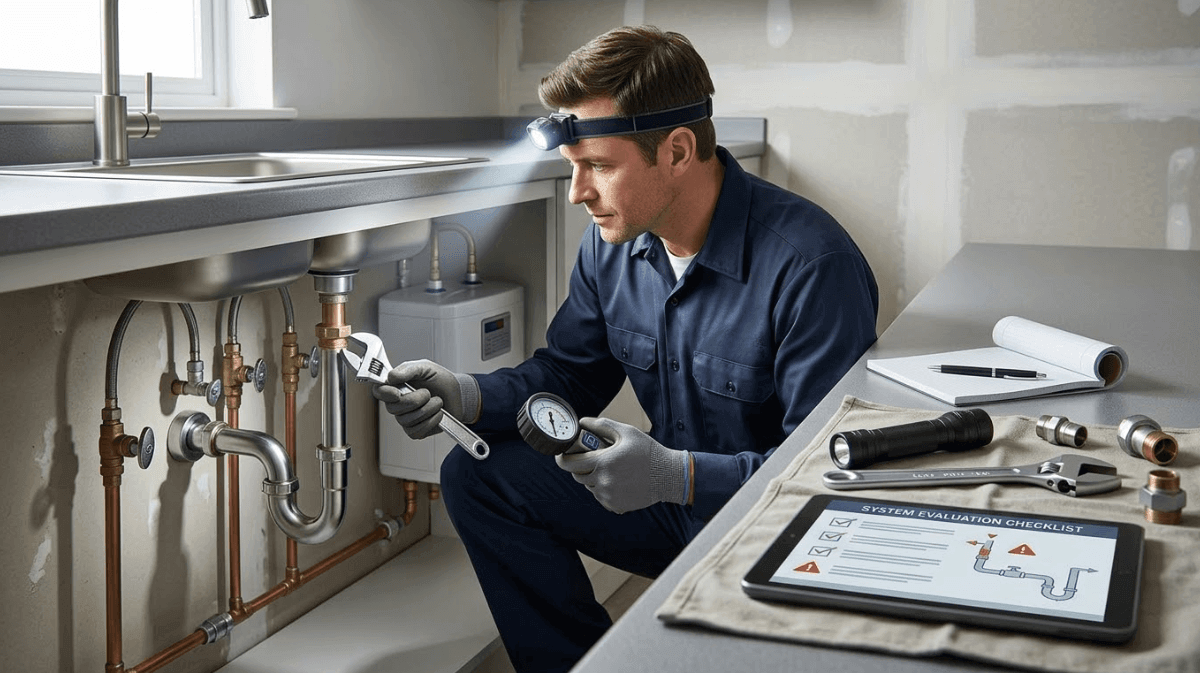
A plumbing system is one of the most essential parts of any home or commercial property. It quietly manages water supply, drainage, and sanitation every day. When everything runs smoothly, it often goes unnoticed. However, even small inefficiencies can lead to higher water bills, slow drainage, or unexpected repairs. Many property owners eventually turn to a Plumber Liverpool when they begin noticing signs that their plumbing system is not performing as efficiently as it should.
Efficient plumbing is not just about fixing leaks. It also involves maintaining pipes, ensuring proper water pressure, checking drainage systems, and preventing long-term damage. Identifying early warning signs can help avoid costly repairs and keep the entire system functioning properly.
Signs Your Plumbing System May Need Attention
Many homeowners do not realise that their plumbing system is losing efficiency until a major issue occurs. A professional Plumber Liverpool often identifies problems that may seem minor but can affect the overall performance of the plumbing system.
Common warning signs include:
- Slow drains in sinks, showers, or bathtubs
- Unusual noises coming from pipes when water is running
- Low water pressure in taps or showers
- Frequent pipe leaks or dripping taps
- Unpleasant odours coming from drains
These issues can indicate deeper problems within the system. Early detection helps prevent small concerns from turning into major plumbing failures.
Why Plumbing Efficiency Matters
An efficient plumbing system provides more than convenience. It helps maintain the overall condition of a property while reducing water waste and repair costs.
Key benefits of an efficient plumbing system include:
- Lower water bills: Efficient pipes and fixtures reduce unnecessary water loss.
- Better water pressure: Properly maintained systems provide consistent water flow.
- Reduced risk of damage: Early repairs prevent pipe bursts and water leaks.
- Improved sanitation: Efficient drainage helps maintain hygiene and prevents contamination.
- Longer system lifespan: Regular maintenance keeps pipes and fixtures in good condition.
Ignoring plumbing efficiency can result in hidden water damage, mould growth, and costly structural repairs.
Common Causes of Plumbing Inefficiency
Several factors can affect the performance of a plumbing system. Understanding these causes helps property owners recognise when maintenance or repairs may be necessary.
Aging Pipes
Older properties often contain pipes that have deteriorated over time. Corrosion, mineral buildup, and small cracks can restrict water flow and lead to leaks.
Blocked or Partially Clogged Drains
Drainage systems accumulate debris such as grease, soap residue, and hair. Over time, these materials restrict water movement and cause slow drainage.
Faulty Fixtures
Leaking taps, damaged valves, or worn-out seals can waste a surprising amount of water each day.
Poor Installation
Plumbing systems that were incorrectly installed may develop pressure issues, leaks, or drainage problems later on.
Addressing these issues early can restore efficiency and prevent serious plumbing damage.
How Professional Inspections Help Maintain Efficiency
Routine plumbing inspections play a key role in keeping systems running smoothly. During the middle stages of property maintenance, many owners consult a Plumber Liverpool to assess the condition of their pipes, drainage systems, and water connections.
A professional inspection typically includes:
- Checking pipes for corrosion or leaks
- Inspecting drainage systems for blockages
- Testing water pressure levels
- Examining hot water systems
- Identifying hidden plumbing issues behind walls or under floors
These inspections help detect problems before they become major repairs, saving time and money in the long run.
Simple Ways to Improve Plumbing Efficiency
While professional maintenance is important, property owners can also take simple steps to keep their plumbing systems working efficiently.
Practical maintenance tips include:
- Avoid pouring grease or oil down drains, as it can cause blockages.
- Use drain strainers to prevent debris from entering pipes.
- Fix leaking taps immediately to reduce water waste.
- Monitor water pressure to ensure it remains within a safe range.
- Schedule regular plumbing inspections to detect hidden problems.
These simple actions can significantly extend the life of a plumbing system and prevent unexpected repairs.
When It’s Time to Call a Professional
Some plumbing issues cannot be solved with basic maintenance. Persistent leaks, water pressure problems, and recurring blockages often require professional attention.
Situations that typically require expert help include:
- Burst or damaged pipes
- Major drainage blockages
- Water heater issues
- Sewer line problems
- Sudden drops in water pressure
Ignoring these issues may result in more serious property damage and higher repair costs.
Conclusion
Plumbing systems play a vital role in maintaining comfort, hygiene, and functionality in any property. When pipes, drains, and fixtures operate efficiently, daily routines run smoothly without interruptions.
However, small warning signs such as slow drains or unusual noises should never be ignored. Regular inspections and proper maintenance can help identify problems early and protect the long-term performance of the system.
By staying proactive and addressing issues quickly, property owners can ensure their plumbing systems continue to operate efficiently for years to come.
FAQs
1. How can someone tell if a plumbing system is inefficient?
Common signs include slow drains, low water pressure, recurring leaks, and unusual noises from pipes.
2. How often should plumbing systems be inspected?
Many experts recommend a professional inspection at least once a year to detect hidden issues early.
3. Can small leaks really increase water bills?
Yes. Even a small dripping tap can waste a significant amount of water over time.
4. What causes low water pressure in a home?
Low water pressure may result from pipe blockages, leaks, mineral buildup, or faulty plumbing fixtures.
5. Why is professional plumbing maintenance important?
Professional inspections help detect hidden problems, prevent major repairs, and maintain the overall efficiency of the plumbing system.
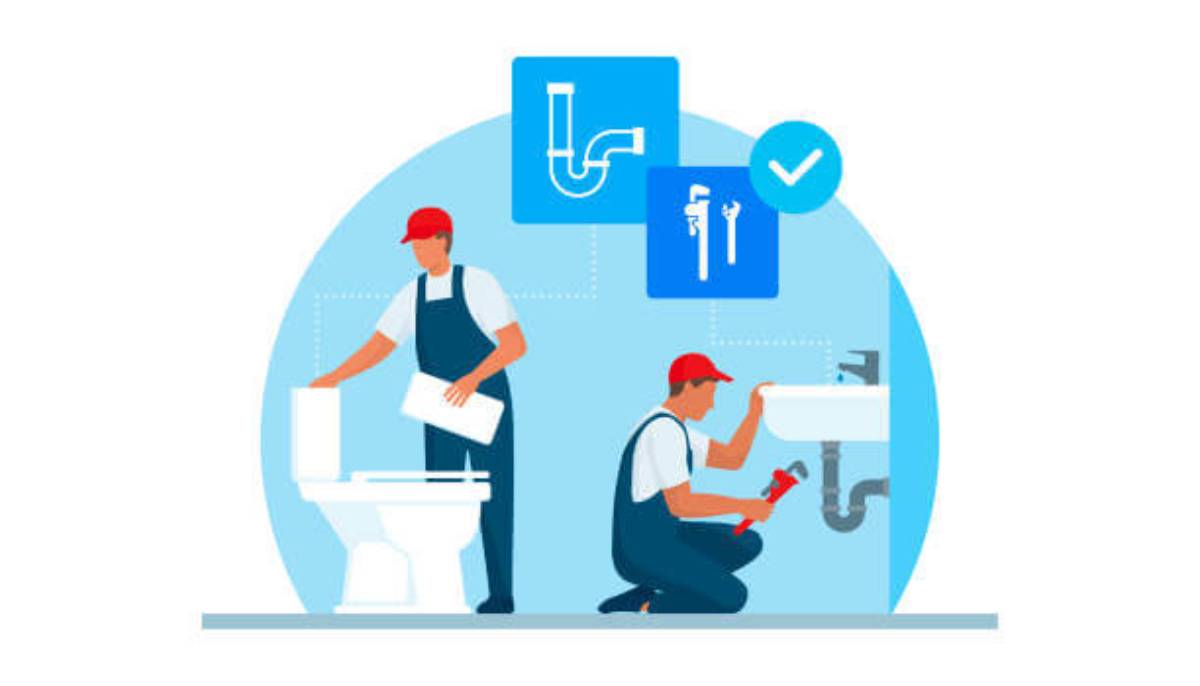
Most homeowners only think about plumbing when something goes wrong — a burst pipe, a blocked drain, or a leaking tap. But Werribee’s Best Plumber is often dealing with issues long before they become emergencies. Behind walls, under driveways, and beneath concrete slabs, hidden plumbing systems can quietly develop faults that many people never notice until the damage is done.
Professional plumbers don’t just fix visible problems. They identify risks, prevent failures, and address underlying issues that homeowners rarely consider. That proactive approach makes all the difference in protecting a property’s structure, safety, and value.
Hidden Pipe Leaks You Can’t See
One of the most overlooked issues that Werribee’s Best Plumber regularly handles is concealed water leakage. These leaks often occur behind walls, under flooring, or beneath outdoor paving.
Common signs include:
- Slightly higher water bills
- Damp smells without visible water
- Warped floorboards
- Peeling paint or bubbling plaster
- Warm patches on the floor (in slab leaks)
Hidden leaks can go unnoticed for months. Over time, they weaken timber frames, damage plaster, and encourage mould growth. Early detection using specialised tools prevents costly structural repairs. Professional plumbers rely on leak detection equipment rather than guesswork, allowing accurate repairs without unnecessary wall removal.
Drain Problems Before They Become Blockages
A completely blocked drain doesn’t happen overnight. It usually develops gradually through partial obstructions caused by grease, debris, hair, or even tree roots.
What homeowners often miss:
- Slow-draining sinks
- Gurgling sounds after flushing
- Water pooling near outdoor drains
- Occasional unpleasant odours
These are early indicators of a deeper issue. Left untreated, pressure builds within the pipework. Eventually, this can lead to pipe cracks or sewage overflow. Routine drain inspections and high-pressure cleaning eliminate buildup before major blockages occur.
Stormwater System Failures
Many homeowners focus on indoor plumbing but rarely consider their stormwater system. In areas like Werribee, heavy rainfall can test drainage systems that haven’t been checked in years.
Stormwater issues may involve:
- Blocked underground pipes
- Collapsed clay drains
- Poor surface grading
- Tree root intrusion
If rainwater cannot flow away properly, it can accumulate near foundations. Over time, this may cause soil movement and structural stress.
Midway through many property inspections, Werribee’s Best Plumber identifies drainage risks that homeowners had no idea existed. Addressing them early protects the foundation and prevents expensive repairs later.
Ageing Hot Water Systems
Hot water systems often give subtle warning signs before failure. Homeowners may ignore small changes, assuming they are temporary.
Signs to watch for:
- Fluctuating water temperatures
- Rust-coloured hot water
- Strange noises from the tank
- Reduced water pressure
Sediment buildup inside tanks reduces efficiency and increases internal corrosion. Without maintenance, systems may fail unexpectedly, often at inconvenient times.
Regular inspections extend the life of the unit and ensure safe operation.
Gas Line Safety Checks
Gas plumbing is another area many homeowners overlook. Even minor gas leaks can pose serious safety risks.
Professional plumbers inspect:
- Gas pipe connections
- Appliance fittings
- Pressure levels
- Ventilation systems
Gas systems require proper certification and compliance with safety standards. Routine checks prevent hazardous situations and ensure efficient appliance performance.
Water Pressure Imbalances
Low or inconsistent water pressure is commonly dismissed as a minor annoyance. However, it can indicate:
- Pipe corrosion
- Hidden leaks
- Partially closed valves
- Pressure regulator failure
Excessively high pressure can also damage fixtures and reduce appliance lifespan. Identifying and correcting pressure issues protects the entire plumbing system.
Preventive Maintenance Saves Thousands
Many plumbing disasters are preventable. A proactive approach offers clear advantages:
- Early problem detection
- Reduced emergency call-outs
- Lower long-term repair costs
- Improved water efficiency
- Increased property value
Instead of waiting for visible damage, scheduled inspections keep systems running smoothly year-round.
Renovation Risks Homeowners Overlook
Kitchen and bathroom renovations often prioritise design over infrastructure. Installing new fixtures without assessing the underlying pipes can create compatibility issues.
Common hidden risks include:
- Outdated pipes are unable to handle increased pressure
- Incorrect pipe sizing
- Poorly connected fittings
- Inadequate drainage slopes
Professional assessment ensures upgrades don’t lead to future plumbing failures.
Why Professional Expertise Matters
Solving hidden plumbing issues requires more than basic tools. It involves:
- Advanced detection equipment
- Knowledge of local building standards
- Experience with older and modern systems
- Accurate diagnostics
- Long-term repair planning
Addressing minor warning signs early prevents larger, more disruptive problems.
FAQs
1. How can hidden leaks be detected without damaging walls?
Professional plumbers use specialised leak detection equipment such as acoustic sensors and thermal imaging tools to locate leaks accurately without unnecessary demolition.
2. How often should drains be professionally cleaned?
Drain cleaning every one to two years is generally recommended, especially in properties surrounded by trees or with older pipe systems.
3. What is the average lifespan of a hot water system?
Most hot water systems last between 8–15 years, depending on maintenance, water quality, and usage patterns.
4. Are stormwater systems part of regular plumbing maintenance?
Yes. Stormwater drains play a crucial role in protecting property foundations and should be inspected periodically.
5. Can water pressure issues damage appliances?
Yes. Excessive pressure can shorten the lifespan of dishwashers, washing machines, and hot water systems. Proper regulation protects both fixtures and plumbing infrastructure.
Plumbing problems rarely appear without warning. Many begin quietly, hidden behind surfaces and underground. Identifying these overlooked issues early protects both comfort and property value. When professional attention is given to what homeowners don’t see, long-term savings and peace of mind follow.
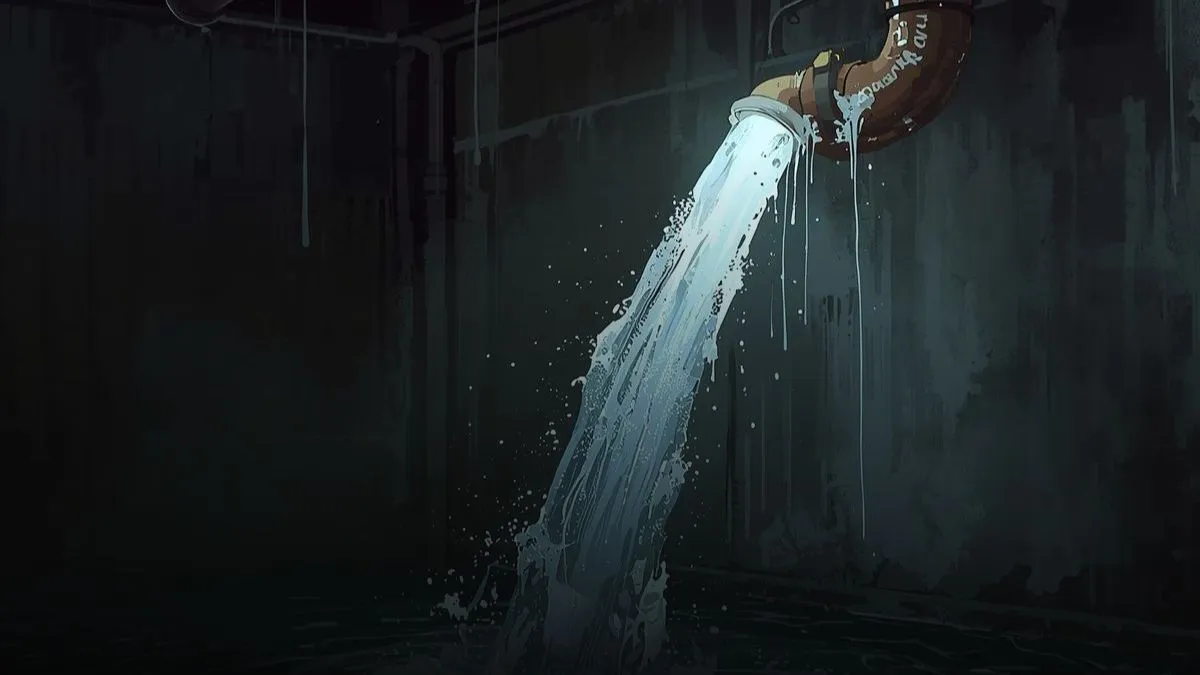
A burst pipe is one of those problems that can go from bad to disastrous in minutes. Whether it’s a slow leak hidden behind a wall or water flooding your kitchen floor, ignoring the issue can lead to serious property damage and costly repairs. Acting quickly is the key to protecting your home, business, and peace of mind.
This guide explains what causes pipes to burst, the warning signs to watch for, and why professional Burst Pipe Repair is always the safest option.
What Causes a Burst Pipe?
Burst pipes can happen in both older and newer properties across Australia. Some of the most common causes include:
- Ageing or corroded pipes that weaken over time
- High water pressure stressing the pipe walls
- Tree root intrusion cracking underground pipes
- Temperature changes causing pipes to expand and contract
- Poor installation or low-quality materials
Even a small crack can worsen quickly, especially when water pressure remains high.
Warning Signs You Shouldn’t Ignore
Catching the issue early can save thousands in repairs. Watch out for these red flags:
- Sudden drop in water pressure
- Damp patches on walls, ceilings, or floors
- Unexpected spikes in your water bill
- Mould growth or musty smells
- Strange noises in your pipes
If you notice any of these, it’s time to call for Burst Pipe Repair before the damage spreads.
Why Fast Burst Pipe Repair Matters
Delaying repairs can lead to:
- Structural damage to walls and foundations
- Electrical hazards from water exposure
- Mould and mildew affecting indoor air quality
- Higher water bills and insurance issues
Professional plumbers use advanced tools like leak detection and pressure testing to locate and fix the problem efficiently, minimising disruption.
Professional Burst Pipe Repair Services in Werribee
When a pipe bursts, DIY fixes are rarely enough. Qualified plumbers provide lasting solutions by repairing or replacing damaged sections safely and to Australian standards. Reliable Burst Pipe Repair Services in Werribee offer fast response times, proper diagnostics, and durable repairs designed to prevent future issues.
Choosing experienced Burst Pipe Repair Services in Werribee means your plumbing system is restored correctly the first time, reducing the risk of repeat problems.
How to Reduce the Risk of Future Pipe Bursts
While emergencies can’t always be avoided, you can reduce the risk by:
- Scheduling regular plumbing inspections
- Monitoring water pressure levels
- Replacing old or corroded pipes
- Addressing small leaks immediately
Preventive maintenance is far cheaper than emergency repairs.
Don’t Wait Until It’s Too Late
A burst pipe won’t fix itself, and the longer it’s left, the worse the damage becomes. Acting fast and calling a licensed plumber ensures your home stays safe, dry, and protected. If you suspect a problem, organise professional Burst Pipe Repair as soon as possible to avoid unnecessary stress and expense.

A Local’s Perspective on Choosing the Right Plumber in Altona

From Design to Durability: Choosing the Right Cabinet Hardware in Melbourne

A Closer Look at WordPress Web Hosting in Australia: Tools, Features, and Real Benefits

Eastern Eats: 6 Must-Try Restaurants in Melbourne’s Eastern Suburbs

Why Community Participation in Alice Springs Matters: Bridging Gaps, Enhancing Opportunities, and Building Stronger Communities

Don’t Let Heel Pain Rule Your Life: Why Heel Pain Specialists in Sydney Are the Experts You Need
-
 Food10 months ago
Eastern Eats: 6 Must-Try Restaurants in Melbourne’s Eastern Suburbs
-
 Healthcare10 months ago
Why Community Participation in Alice Springs Matters: Bridging Gaps, Enhancing Opportunities, and Building Stronger Communities
-
 Healthcare10 months ago
Don’t Let Heel Pain Rule Your Life: Why Heel Pain Specialists in Sydney Are the Experts You Need
-

 General10 months ago
The Role of Speech Therapy in Treating Common Speech & Language Disorders
-

 Healthcare10 months ago
Supporting Your NDIS Journey in Sydney: Why Partnering with a Skilled Provider Can Make a Lasting Difference in Your Life
-
 General10 months ago
Polycarbonate Roofing Sheets: Why They Are the Go-To Option for Outdoor Structures, Greenhouses, and Patios
-

 Healthcare10 months ago
Managing Chronic Conditions with Ease: Understanding the EPC Plan
-

 Healthcare10 months ago
Partial Nail Avulsion (PNA): A Quick and Effective Solution for Ingrown Toenails