
Business
Blocked Stormwater Drains in Winter? Here’s What Aussie Homeowners Should Do

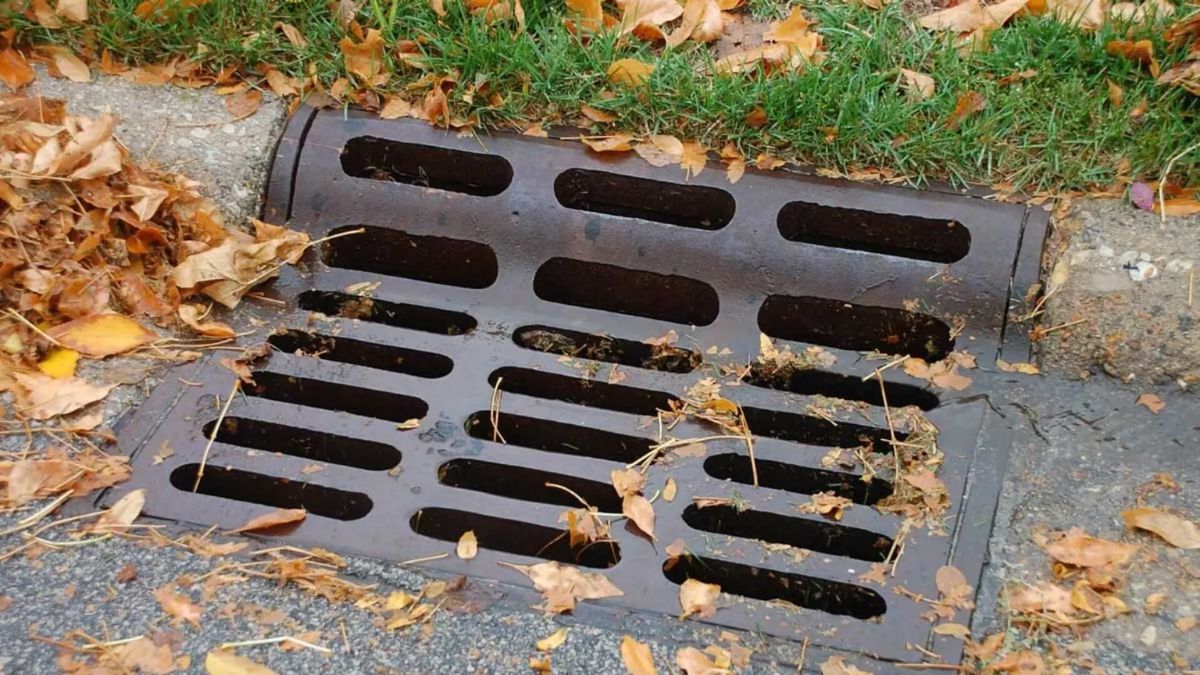
Winter has a way of exposing weaknesses around the home, and stormwater drainage is often one of them. When heavy rain meets already stressed outdoor systems, problems surface quickly. For many households, the first instinct is to call a Werribee-based plumber, but understanding what is happening — and what you can reasonably do — is just as important.
Blocked stormwater drains are more than a seasonal inconvenience. Left unattended, they can cause water to pool around foundations, spill into outdoor areas, or place unnecessary pressure on underground pipework. Acting promptly and sensibly makes all the difference.
Why Winter Makes Drainage Issues Worse
Stormwater systems are designed to carry rainwater away from your property efficiently. In winter, however, increased rainfall can test that capacity. If there is already a partial obstruction within the system, the added volume of water may quickly turn a minor issue into a visible overflow.
Homeowners often first notice the warning signs during or just after a downpour. Water may drain more slowly than usual, collect near grates, or rise back towards paved surfaces. These symptoms indicate restriction somewhere along the line.
It is at this stage that many consider contacting a Plumber in Werribee, particularly if the problem appears sudden or severe. However, before seeking assistance, there are sensible checks that can be carried out safely at ground level.
Start with a Careful Inspection
A measured approach is always preferable to a rushed one. Begin by visually inspecting accessible drainage points around your property.
Look for:
- Surface grates that are visibly obstructed
- Accumulated debris sitting over drain openings
- Signs of standing water that persist after rainfall
Clearing visible material from around grates can sometimes restore proper flow immediately. It is important, however, not to attempt dismantling fixed pipework or inserting tools deep into the system without the appropriate expertise. Stormwater infrastructure can be more complex than it appears, and improper interference may worsen the blockage.
If surface clearing does not resolve the issue, the obstruction is likely further within the system and requires professional assessment.
Recognising When It’s Time to Call a Professional
While minor surface obstructions can be handled carefully by homeowners, recurring or persistent drainage problems are rarely solved by repeated clearing alone. If water continues to pool despite visible grates being clear, the blockage is likely deeper within the pipe network.
At this point, engaging a qualified Plumber in Werribee becomes a practical step rather than a reactive one. A professional can identify whether the issue lies within a single section of pipe, a connection point, or a broader drainage run.
Attempting to ignore the problem in the hope that drier weather will resolve it is rarely effective. Even if the visible symptoms subside, the underlying obstruction may remain, setting the stage for further disruption during the next period of heavy rain.
Preventative Thinking for the Colder Months
Winter drainage issues are often reactive, but they do not have to be. A preventative mindset can significantly reduce the likelihood of sudden blockages.
Regularly checking stormwater entry points — particularly before forecast rainfall — allows small accumulations to be removed before they consolidate into more stubborn obstructions. Keeping surrounding outdoor areas tidy and ensuring water has a clear path into drains supports the system’s intended function.
It is also wise to pay attention to subtle changes. If drainage appears slower than usual, even without full overflow, that may indicate partial restriction. Early attention is typically simpler and less disruptive than waiting for a complete blockage.
Avoiding Escalation and Property Damage
Blocked stormwater drains can quickly shift from minor inconvenience to structural concern if water begins collecting near the home. Persistent pooling increases the risk of seepage into unwanted areas and may place additional strain on surrounding surfaces.
The key is measured escalation. Start with inspection and safe clearing of accessible areas. If symptoms persist, do not delay professional intervention. Addressing the root cause promptly protects not only the drainage system itself but the broader integrity of the property.
Winter conditions may be unavoidable, but preventable damage is not.
A Practical Approach for Homeowners
Seasonal rainfall is a reality for Australian households, and drainage systems are built with that in mind. When they fail to perform as expected, it is usually due to obstruction rather than design. Responding calmly — inspecting first, clearing safely where appropriate, and engaging a professional when needed — ensures the issue is resolved properly rather than temporarily masked.
If repeated blockages occur or water behaviour seems unusual, consulting a Werribee plumber provides clarity and long-term resolution. Winter may test your home’s exterior systems, but informed, timely action keeps small drainage concerns from becoming larger structural problems.
A thoughtful approach today can prevent significant disruption tomorrow.
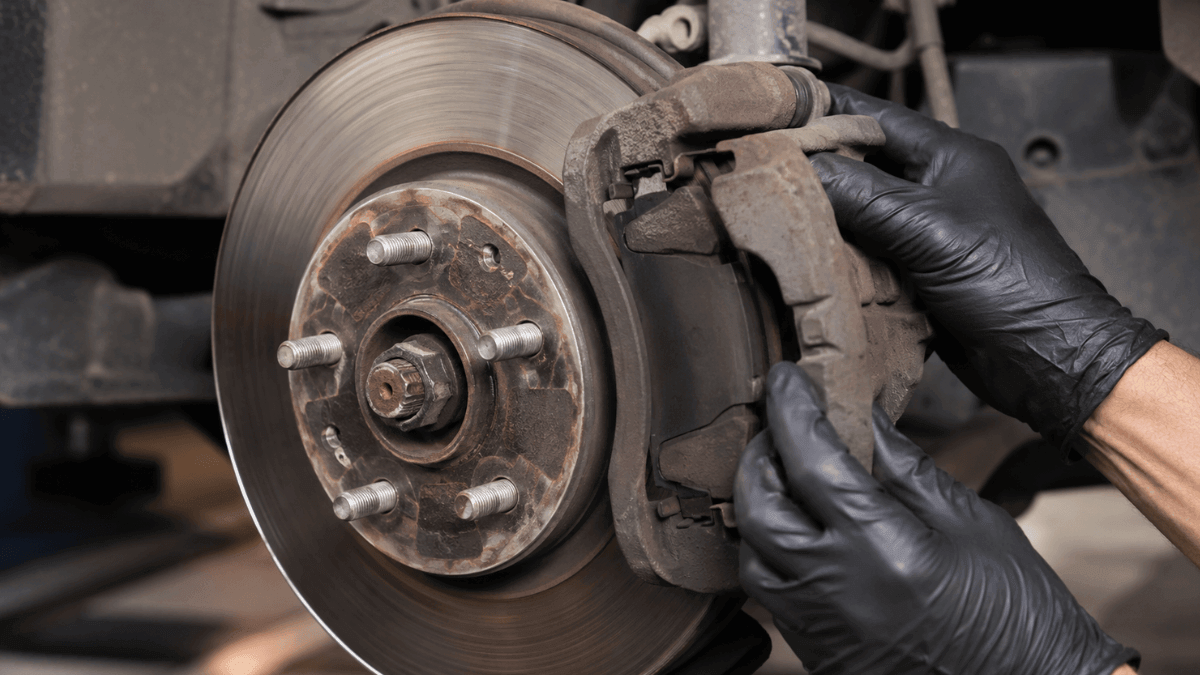
Why Brake Problems Should Never Be Ignored
Most drivers pay attention to engine issues, flat tyres, or battery trouble because those problems are obvious. Brake problems, however, often develop slowly and quietly. A car may still feel normal for weeks before the warning signs become serious. That delay is exactly what makes brake issues so dangerous. By the time braking performance noticeably changes, the safety risk may already be high.
Brakes are one of the most important safety systems in any vehicle. They help drivers react quickly during emergencies, sudden traffic stops, wet road conditions, and unexpected hazards. Even a small fault can reduce stopping power and increase accident risks. Many serious vehicle accidents begin with brake issues that were ignored for too long because the car still seemed “good enough” to drive.
Understanding the Importance of brake repairs Karratha
Drivers in busy or remote areas often place extra pressure on their braking systems. Long-distance driving, heavy loads, rough roads, and extreme temperatures can all increase brake wear much faster than expected. This is why regular inspections and timely brake repairs in Karratha are extremely important for both safety and vehicle reliability.
Many brake issues begin with small signs that are easy to dismiss. Squeaking sounds, slight vibrations, or a softer brake pedal may not seem urgent at first. However, these symptoms can point to worn brake pads, damaged rotors, fluid leaks, or overheating problems. Ignoring early signs often allows the damage to spread through the entire braking system.
The Warning Signs Drivers Should Watch Closely
Brake systems usually provide several warnings before complete failure happens. Recognising these signs early can help prevent expensive repairs and dangerous driving situations. Drivers who understand these symptoms are far more likely to avoid major mechanical problems later.
Some of the most common brake warning signs include:
- Squealing or grinding noises
- Vibrations while braking
- Longer stopping distances
- Soft or spongy brake pedals
- Pulling to one side during braking
- Burning smells near the wheels
- Brake warning lights appear on the dashboard
- Shaking through the steering wheel
These symptoms should never be ignored, even if the vehicle still feels drivable. Brake systems can deteriorate quickly once wear begins affecting key components.
How Brake Repairs Karratha Help Prevent Serious Accidents
Professional brake repairs in Karratha involve much more than simply replacing brake pads. Mechanics inspect the full braking system to identify hidden wear, fluid leaks, damaged discs, worn callipers, and other safety concerns. This complete inspection helps ensure every part of the system works correctly under pressure.
Braking systems rely on several components working together smoothly. If one part begins failing, extra stress often spreads to nearby components. For example, worn brake pads can damage rotors, while leaking brake fluid may reduce overall braking power. Early repairs stop these problems from growing into larger and more dangerous failures.
Why Delaying Brake Repairs Usually Costs More
Many drivers postpone repairs because the brakes still “work well enough.” Unfortunately, delaying maintenance often increases both repair costs and safety risks. Small brake problems are usually affordable to fix early, but once damage spreads, repairs become far more expensive.
For example, replacing worn brake pads is generally straightforward and inexpensive. However, if those pads wear down completely, they may damage brake rotors and callipers as well. This turns a simple repair into a much larger mechanical job. In severe cases, neglected brakes can even affect wheel bearings, suspension parts, or tyres due to uneven pressure and excessive heat.
The financial impact becomes even greater after an accident. Vehicle damage, insurance claims, towing costs, and personal injuries can all result from brake failure that might have been prevented through basic maintenance.
Why Regular brake repairs Karratha Improve Everyday Driving
Well-maintained brakes do more than improve safety. They also make daily driving smoother, more comfortable, and less stressful. Drivers often notice improved control, quicker stopping response, and quieter operation after proper brake servicing.
Regular brake repairs in Karratha may help improve:
- Vehicle control during emergencies
- Stopping performance in wet weather
- Driving comfort and confidence
- Tyre wear consistency
- Fuel efficiency through smoother braking
- Overall vehicle safety
Drivers who maintain their brakes regularly are also less likely to experience sudden breakdowns or emergency repair situations. Preventive servicing provides peace of mind, especially during long trips or difficult road conditions.
The Hidden Damage Caused by Brake Neglect
One reason brake problems become dangerous is that some damage happens internally, where drivers cannot see it. Brake fluid contamination, heat damage, rotor warping, and internal corrosion may develop long before noticeable symptoms appear. This hidden wear can reduce braking performance gradually over time.
Extreme heat is another major issue for braking systems. Heavy braking, towing, or driving in hot conditions can place enormous pressure on brake components. If the system is already worn or poorly maintained, overheating may cause brake fade, reduced stopping power, or complete failure during critical moments.
Some drivers only react once loud grinding noises begin. By that stage, the protective brake material may already be gone, allowing metal parts to scrape together. This type of damage often spreads quickly and increases repair costs significantly.
Choosing Reliable Support for brake repairs Karratha
Finding experienced mechanical support is one of the best ways to protect vehicle safety and avoid unexpected repair bills. Skilled technicians understand how different driving conditions affect braking systems and can identify issues before they become serious problems.
A quality repair service will usually inspect brake pads, discs, fluid levels, hoses, callipers, and overall system performance during routine servicing. Clear communication also matters. Drivers benefit most when mechanics explain problems properly, outline repair priorities, and recommend maintenance based on actual vehicle condition rather than unnecessary upselling.
Brake systems are not something drivers should gamble with. A vehicle can often continue driving with brake damage for weeks while the risk quietly increases in the background. Early inspections, routine maintenance, and timely repairs help reduce that risk and keep both drivers and passengers safer on the road every day.

The Road to Owning a Commercial Truck Starts Here
Owning a commercial truck can completely change the direction of a business. Whether it’s a single operator looking to take on more work or a growing fleet company ready to scale up, having the right vehicle makes all the difference. But trucks don’t come cheap, and very few businesses have the cash sitting around to buy one outright.
That’s exactly why understanding your finance options matters before you start shopping. Getting the right funding in place means you can move quickly when the right truck comes up, without stretching your business thin in the process.
Why the Right Finance Deal Changes Everything
Not all finance is created equal, and that’s especially true when it comes to commercial truck finance. The wrong deal can lock a business into repayments that squeeze cash flow every single month, while the right deal keeps things manageable and gives room to grow.
The difference usually comes down to a few key factors: loan term length, interest rate, deposit requirements, and whether the structure suits the way the business actually operates. A truck that earns money on the road should be financed in a way that reflects that earning potential, not just treated like any other purchase.
Types of Truck Finance Worth Knowing About
There are several common finance structures used for commercial trucks, and each one works differently depending on the situation:
- Chattel mortgage — the business owns the truck from day one, with the lender holding the vehicle as security. Popular with businesses registered for GST.
- Finance lease — the lender owns the truck during the loan term, and the business makes regular payments to use it. Ownership can transfer at the end.
- Operating lease — similar to renting, with lower monthly costs and no ownership at the end. Good for businesses that prefer to upgrade regularly.
- Hire purchase — the business uses the truck while paying it off, with full ownership transferring once the final payment is made.
Each option has its own tax implications, so it’s worth speaking with an accountant or finance broker before locking anything in.
What Lenders Actually Look At
Understanding what lenders assess makes the application process a lot smoother. When a business applies for commercial truck finance, lenders generally look at a combination of the following:
- Business trading history and age
- Credit history of the business and its directors
- Cash flow and ability to meet repayments
- The type and age of the truck being purchased
- Whether the truck is for private or business use
Newer businesses or those with less-than-perfect credit aren’t automatically excluded, but they may face different terms or need to provide additional security. Being upfront with a broker about the full picture usually leads to better outcomes than trying to hide anything.
Balancing Repayments With Real-World Cash Flow
One of the biggest mistakes businesses make when buying a truck is focusing only on the sticker price. Monthly repayments, balloon payments at the end of the term, and the total cost of the loan over its life all need to factor into the decision.
A truck sitting idle due to poor cash flow planning isn’t earning anything; it’s just costing money. Smart financing means structuring repayments around the realistic income the truck is expected to generate, not just what looks affordable on paper on a good month.
Timing Your Application to Work in Your Favour
Getting pre-approval sorted before heading to a dealership or private seller puts any buyer in a much stronger position. It removes the pressure of on-the-spot financing decisions and gives a clear budget to work with. For businesses considering commercial truck finance, pre-approval also speeds up the process significantly once the right vehicle is found.
Lenders tend to respond well to applications that are well-prepared, have clean financial records, up-to-date tax returns, and a clear picture of how the truck will be used. Taking a little extra time on the front end often results in better rates and faster approvals.
Key Benefits of Financing Over Paying Cash
Even businesses that could afford to pay cash for a truck often choose to finance instead. Here’s why that approach often makes sense:
- Keeps working capital free for day-to-day operations and unexpected costs
- Potential tax deductions on repayments and interest (depending on structure)
- Allows the business to acquire a better truck than cash alone would allow
- Builds business credit history for future borrowing
- Spreads the cost over the life of the asset, matching the expense to use
Preserving cash flow while still acquiring the equipment needed to grow is a practical strategy, not a sign of financial weakness.
Avoiding the Common Pitfalls
There are a few traps worth watching out for when arranging truck finance. One of the most common is accepting the first offer without comparing options. Rates, fees, and loan conditions can vary significantly between lenders, and a broker with access to multiple lenders can often find deals that wouldn’t be available by going direct.
Another pitfall is underestimating the total cost of ownership. Finance repayments are just one part of the picture; insurance, registration, servicing, fuel, and tyres all add up. Building a realistic total cost breakdown before committing to any finance structure gives a much clearer view of whether the numbers actually work.
Choosing the Right Broker Makes a Difference
Not every finance broker specialises in commercial vehicles, and that distinction matters. A broker who understands the trucking industry knows which lenders are most likely to approve certain vehicle types, which structures suit owner-operators versus larger fleets, and how to present an application in the strongest possible light.
The right broker asks the right questions upfront, presents options clearly, and doesn’t push a product just because it pays a higher commission. Finding someone who genuinely understands the business of moving freight, not just the mechanics of lending, is worth the extra effort.

For many individuals and business owners, tax season often brings pressure, confusion, and tight deadlines. Gathering financial records, understanding deductions, and ensuring compliance with tax regulations can quickly become overwhelming. Instead of rushing through paperwork at the last minute, a smarter approach involves planning and managing finances throughout the year. Many people rely on a professional Tax Accountant Williams Landing to organise their finances and handle tax obligations with greater confidence.
Effective tax management is not only about submitting returns on time. It also involves maintaining accurate financial records, identifying eligible deductions, and ensuring that income reporting is correct. With the right approach, tax time can become a manageable process rather than a stressful event.
Why Early Tax Preparation Makes a Difference
Working with a Tax Accountant Williams Landing early in the financial year can significantly reduce the pressure that often builds up as tax deadlines approach. Many taxpayers wait until the last moment to organise receipts, invoices, and financial documents, which increases the likelihood of errors or missed deductions.
Preparing early allows individuals and businesses to maintain a clear record of income and expenses throughout the year. Instead of searching for documents when the deadline is approaching, everything is already organised and ready for review.
Early preparation also allows tax professionals to provide guidance on financial decisions that may affect tax outcomes. This proactive approach helps taxpayers understand their financial position and avoid unexpected tax liabilities.
Keeping Financial Records Organised
Accurate recordkeeping is one of the most important steps in reducing tax-related stress. Maintaining well-organised records makes it easier to track income, expenses, and deductions throughout the year.
Receipts, invoices, and financial statements should be stored in a secure and accessible system. Many individuals now rely on digital tools or accounting software to keep track of their financial information.
Good recordkeeping offers several advantages. It ensures that important financial data is not lost and allows accountants to review information quickly when preparing tax returns. It also helps taxpayers respond more easily if tax authorities request additional documentation.
Understanding Eligible Deductions
Many taxpayers miss out on legitimate deductions simply because they are not aware of them. Understanding which expenses can be claimed can significantly reduce taxable income.
Common deductions may include work-related expenses, business costs, education expenses related to employment, and certain charitable contributions. However, the eligibility of these deductions often depends on specific tax rules.
Professional tax guidance can help ensure that deductions are claimed correctly and within legal requirements. Identifying these opportunities can make a noticeable difference in the final tax outcome.
Managing Tax Obligations for Businesses
For business owners, tax responsibilities often go beyond annual returns. Businesses must also manage ongoing obligations such as goods and services tax reporting, payroll taxes, and financial record maintenance.
In the middle of these responsibilities, many businesses turn to a qualified Tax Accountant Williams Landing to ensure compliance with tax regulations and maintain accurate financial reporting. Professional assistance can help businesses stay organised and meet deadlines without unnecessary stress.
Consistent financial management also allows businesses to understand their financial performance more clearly. With reliable financial data, business owners can make informed decisions about growth, investments, and operational planning.
Avoiding Common Tax Filing Mistakes
Tax filing errors can lead to delays, penalties, or additional scrutiny from tax authorities. These mistakes often occur when taxpayers rush to complete returns without carefully reviewing their financial information.
Some common errors include incorrect income reporting, missing documentation, and miscalculating deductions. Filing returns without proper verification can also result in inaccurate financial statements.
Careful preparation helps reduce the risk of these mistakes. Reviewing financial records thoroughly before submission ensures that all details are correct and complete.
Using Professional Expertise to Simplify the Process
Tax regulations can change over time, and keeping up with these updates can be challenging for individuals who do not work in the field regularly. Professional tax accountants stay informed about current tax laws and reporting requirements.
Their expertise allows them to identify opportunities for tax efficiency while ensuring compliance with regulations. They can also assist with financial planning strategies that support long-term financial stability.
Professional guidance often simplifies the entire tax process. Instead of trying to interpret complex regulations independently, taxpayers can rely on accurate advice and organised financial management.
Building Better Financial Habits Year-Round
Handling taxes effectively involves more than preparing documents once a year. Developing strong financial habits throughout the year can make a significant difference when tax season arrives.
Tracking expenses regularly, maintaining updated financial records, and reviewing income statements periodically can help individuals stay prepared. These habits also provide a clearer understanding of personal or business finances.
Over time, consistent financial organisation can reduce stress, improve budgeting, and support better financial decision-making.
Conclusion
Managing taxes does not have to be stressful or overwhelming. With proper preparation, organised financial records, and professional guidance, taxpayers can approach tax season with greater confidence. Consulting a Tax Accountant Williams Landing can help individuals and businesses navigate tax obligations efficiently while reducing the pressure of last-minute filing. A proactive approach to financial management ultimately leads to smoother tax preparation and better financial outcomes.
FAQs
1. Why should taxes be prepared early instead of waiting for the deadline?
Preparing early allows more time to organise financial records, identify deductions, and correct any errors before submitting the return.
2. What documents are usually needed for tax filing?
Common documents include income statements, receipts for deductible expenses, bank statements, and previous tax records.
3. Can a tax accountant help reduce tax liabilities legally?
Yes, tax accountants can identify eligible deductions and ensure that financial records are structured in a way that complies with tax regulations.
4. Why is accurate recordkeeping important for taxes?
Accurate records make it easier to prepare tax returns, verify financial information, and respond to requests from tax authorities.
5. Do small businesses benefit from professional tax services?
Yes, professional assistance helps businesses manage compliance, maintain proper financial records, and avoid costly filing mistakes.

Why More Homeowners Are Choosing Laserlite Roofing for Patios, Pergolas, and Carports

The Overlooked Hardware Choice That Can Instantly Upgrade Your Cabinets

Why Smart Construction Projects Prioritise Professional Traffic Management From Day One

NDIS Providers: Comprehensive Support Solutions for Better Health, Independence, and Wellbeing

Eastern Eats: 6 Must-Try Restaurants in Melbourne’s Eastern Suburbs

Polycarbonate Roofing Sheets: Why They Are the Go-To Option for Outdoor Structures, Greenhouses, and Patios
-
 Healthcare1 year ago
NDIS Providers: Comprehensive Support Solutions for Better Health, Independence, and Wellbeing
-
 Food1 year ago
Eastern Eats: 6 Must-Try Restaurants in Melbourne’s Eastern Suburbs
-
 General1 year ago
Polycarbonate Roofing Sheets: Why They Are the Go-To Option for Outdoor Structures, Greenhouses, and Patios
-

 Healthcare1 year ago
Supporting Your NDIS Journey in Sydney: Why Partnering with a Skilled Provider Can Make a Lasting Difference in Your Life
-

 Healthcare1 year ago
Why Community Participation in Alice Springs Matters: Bridging Gaps, Enhancing Opportunities, and Building Stronger Communities
-

 Healthcare1 year ago
Managing Chronic Conditions with Ease: Understanding the EPC Plan
-

 General1 year ago
The Role of Speech Therapy in Treating Common Speech & Language Disorders
-

 Healthcare1 year ago
Laser Fungal Treatment: An Advanced Approach to Fungal Infections