General
Gold Coast Uncovered: Best Attractions & When to Visit for Sunshine & Fun

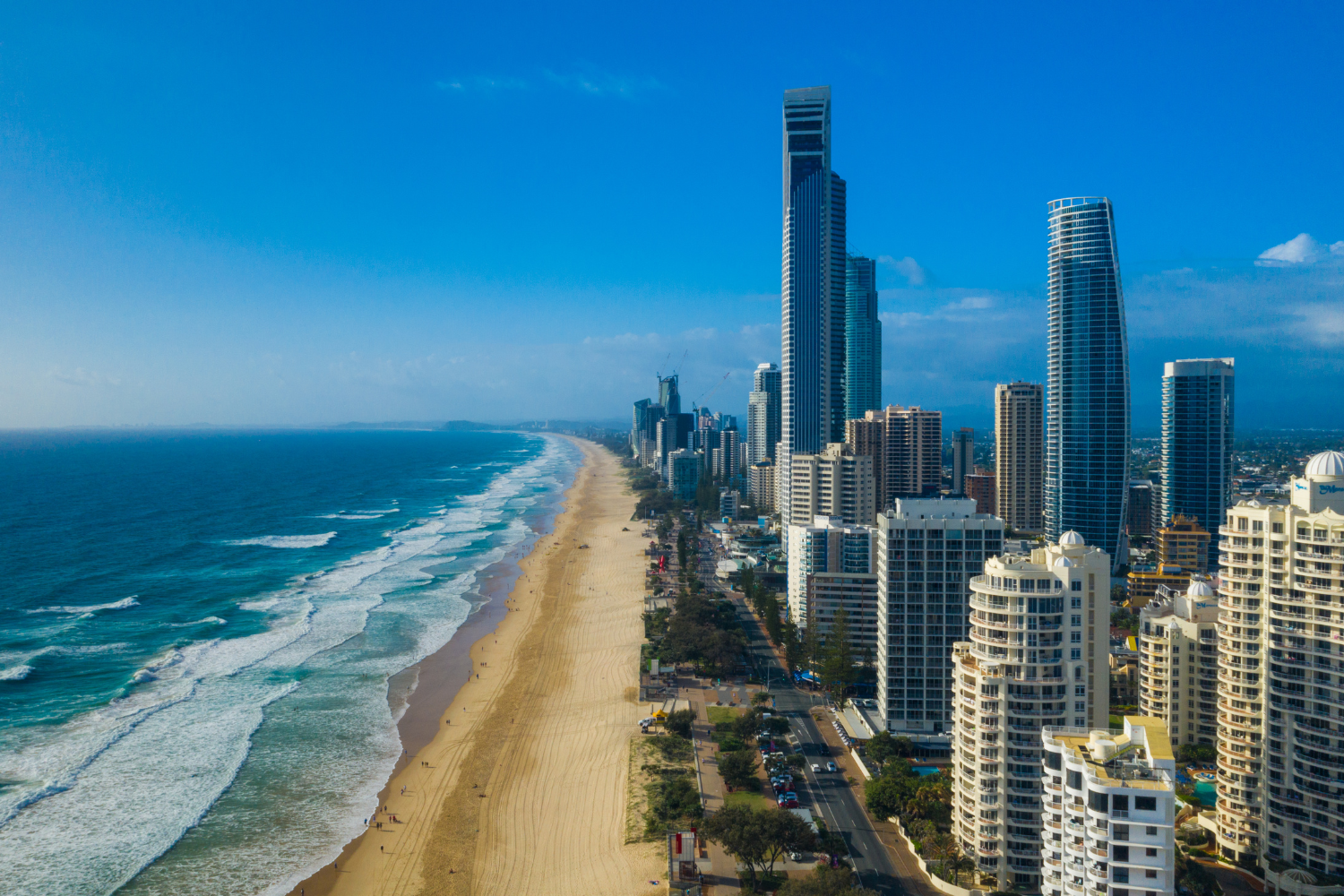
Golden beaches, thrilling theme parks, and lush rainforest trails – the Gold Coast truly has it all. Whether you’re a sunseeker, foodie, adventurer, or just in need of a relaxed coastal break, this Aussie gem ticks every box. In this guide, we’ll uncover the Gold Coast’s top attractions and help you find the best time to visit for your perfect getaway.
Welcome to the Gold Coast
Stretching along Queensland’s southeastern coastline, the Gold Coast is famous for its vibrant beach culture, buzzing nightlife, and endless sunshine. But it’s more than just surf and sand. From wildlife encounters to world-class dining and hinterland hikes, there’s a golden adventure waiting around every corner.
Best Time to Visit the Gold Coast
The good news? The Gold Coast is a year-round destina tion. But depending on what you’re after, some seasons may suit you better.
| Season | Months | Weather | What It’s Best For | Things to Keep in Mind |
| Summer | Dec – Feb | Hot, sunny, humid | Beach days, swimming, nightlife | Very busy, peak prices, book early |
| Autumn | Mar – May | Warm days, cooler evenings | Sightseeing, outdoor adventures | Less crowded, perfect for walking & exploring |
| Winter | Jun – Aug | Mild, dry, sunny | Hiking, whale watching, hinterland stays | Cool mornings/evenings, ideal for nature escapes |
| Spring | Sep – Nov | Sunny, fresh, blooming | Festivals, beach picnics, floral beauty | Arguably the best all-round season |
Top tip: Visit during shoulder seasons (late autumn or early spring) for great weather and fewer tourists.
Must-See Attractions
Explore the Gold Coast’s most iconic spots – where sun, surf, and adventure meet rainforest retreats and unforgettable views. Here’s what not to miss at each must-see attraction.
1. Surfers Paradise
A buzzing hub of beach life, shopping, nightlife, and energy – Surfers Paradise is the face of the Gold Coast.
Don’t miss:
* Cavill Avenue for shopping, eats, and nightlife
* Surfers Paradise Beachfront Markets (Wed, Fri, Sun evenings)
* A sunrise beach walk or surf session
What to do:
* Hit the beach or try a beginner’s surf lesson
* Explore beachfront restaurants and bars
* Visit Ripley’s Believe It or Not! and Timezone for family fun
Best time to go: Early morning or late afternoon to avoid crowds and catch golden light
Top experiences:
* Swim and sunbathe at the main beach
* Enjoy a rooftop cocktail at The Island or Hyde Paradiso
* Watch the skyline light up after dark
2. Dreamworld, Movie World & Sea World
Theme park thrills and family-friendly fun all wrapped into one unforgettable experience.
Dreamworld
Don’t miss: The Giant Drop, Tiger Island, and DreamWorks-themed rides
What to do: Conquer thrill rides, visit the wildlife precinct, cool off at WhiteWater World
Best time to go: Weekdays outside school holidays for shorter queues
Top experiences:
* Ride the Steel Taipan rollercoaster
* Meet native animals at Dreamworld Corroboree
* Slide into fun at WhiteWater World next door
Movie World
Don’t miss: DC Rivals HyperCoaster, Batman shows, and parade of characters
What to do: Enjoy Hollywood-themed rides and live stunt shows
Best time to go: Midweek mornings for fewer crowds
Top experiences:
* Meet your favourite superheroes
* Watch the Hollywood stunt driver show
* Brave the Scooby-Doo Spooky Coaster
Sea World
Don’t miss: Dolphin presentations, Polar Bear Shores, and Jet Stunt Extreme
What to do: See marine life, enjoy family rides, and learn about ocean conservation
Best time to go: Cooler months (May–Sep) for animal activity and fewer visitors
Top experiences:
* Ride the Storm Coaster
* Get hands-on at Ray Reef
* Cruise on the Sea World Eye for stunning views
3. Currumbin Wildlife Sanctuary
A nature-filled day out with cuddly koalas, free-roaming kangaroos, and thrilling treetop adventures.
Don’t miss:
* Holding a koala (book early!)
* The Wild Skies free-flight bird show
* Hand-feeding lorikeets at entry
What to do:
* Explore native animal enclosures
* Ride the mini train around the park
* Take on the TreeTop Challenge if you’re feeling brave
Best time to go: Morning, especially on weekdays, to see animals at their most active
Top experiences:
* Cuddle a koala and get a professional photo
* Feed kangaroos in the open paddock
* Zip-line through the canopy on a ropes course
4. SkyPoint Observation Deck (Q1 Building)
Views, vibes, and vertigo – this towering deck delivers one of the Gold Coast’s best lookouts.
Don’t miss:
* Sunset views over the ocean and hinterland
* Coffee or cocktails at the SkyPoint Bistro + Bar
* The outdoor SkyPoint Climb (if you dare!)
What to do:
* Take in 360° views from the observation deck
* Dine or sip with a view
* Climb to the summit of Q1 for a thrill
Best time to go: Late afternoon for sunset; early morning for peaceful views
Top experiences:
* Watch the city light up after dark
* Spot whales during migration season (May–Nov)
* Brave the SkyPoint Climb for an unforgettable rush
5. Burleigh Heads
A local’s favourite for surf, scenic walks, and laid-back beach vibes.
Don’t miss:
* The Burleigh Head National Park coastal walk
* Picnicking on Burleigh Hill with a takeaway feed
* Watching surfers ride the iconic point break
What to do:
* Stroll the ocean-view trails through lush rainforest
* Swim at the family-friendly beach
* Dine at local hotspots like Rick Shores or Burleigh Pavilion
Best time to go: Mornings for calm surf and fewer crowds
Top experiences:
* Spot whales from the headland (Jun–Oct)
* Explore James Street boutiques and cafés
* Enjoy fish and chips on the grass with a view
6. Lamington National Park
A lush rainforest escape with ancient trees, tumbling waterfalls, and wildlife galore.
Don’t miss:
* The treetop canopy walk at O’Reilly’s Rainforest Retreat
* Elabana Falls – a hidden gem of a waterfall
* Glow-in-the-dark fungi and rich birdlife
What to do:
* Hike through misty forest trails
* Join a guided birdwatching or eco-tour
* Stay overnight in a cosy rainforest retreat
Best time to go: Autumn or spring for pleasant hiking weather
Top experiences:
* Walk the Booyong Walk through ancient trees
* Hand-feed wild crimson rosellas
* Take a dip in a hidden rock pool on a hot day
Hidden Gems Worth Exploring
Tallebudgera Creek
A peaceful spot with turquoise water, perfect for kayaking, paddleboarding, or just lazing in the sun.
Miami Marketta
Tucked away in Miami (the Gold Coast one!), this night market comes alive with street food, live music, and local art.
Springbrook National Park
Home to ancient forests, glow worm caves, and the famous Natural Bridge. A magical escape just a short drive from the coast.
Family-Friendly Activities
Travelling with kids? The Gold Coast is packed with family fun:
- Water parks like Wet’n’Wild and Whitewater World
- Safe swimming beaches with lifeguards on patrol
- Free outdoor playgrounds and interactive museums
- Wildlife parks and mini-golf spots around every corner
Tips for Planning Your Gold Coast Getaway
- Where to stay: For beach vibes, stick to Broadbeach or Surfers Paradise. For peace and nature, try the hinterland or Currumbin.
- Getting around: Hire a car for flexibility, or use the G:link tram and buses to get around easily.
- What to pack: Sunscreen, swimmers, hat, comfy walking shoes, and a light jacket if visiting in winter.
Final Thoughts
From beach bliss to rainforest magic, the Gold Coast is packed with unforgettable experiences. And with sunny skies most of the year, there’s never a bad time to visit – just the perfect time for you.
So, whether it’s your first visit or your fifth, the Gold Coast is calling. Time to book that golden escape!

Why Getting the Right Plumber Matters More Than You Think
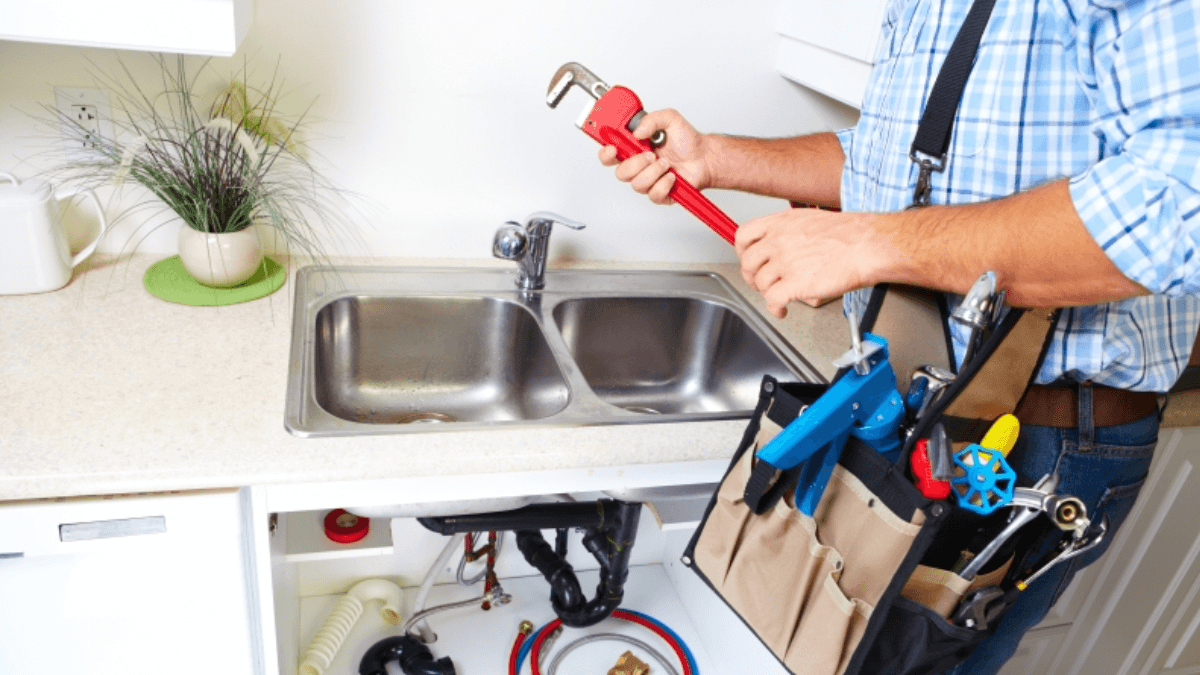
Plumbing problems have a terrible habit of showing up at the worst possible time: a burst pipe on a Friday evening, a blocked drain the morning of a big family event, or a hot water system giving up right in the middle of a cold Melbourne winter. When that happens, most people in Altona simply grab their phone and book whoever shows up first in a search result or whoever answers fastest.
That approach tends to end badly. Choosing the wrong plumber can mean shoddy repairs, inflated invoices, and the same problem recurring within weeks. Worse still, unlicensed or underqualified work can create safety hazards that aren’t immediately visible. Taking a few extra minutes to make a smarter, more informed choice upfront saves a significant amount of grief, money, and stress down the track.
What Qualifications Should You Actually Be Looking For
When searching for Altona’s Best Plumber, the very first box to tick is valid licensing. In Victoria, all plumbers must hold a current licence issued by the Victorian Building Authority (VBA). This isn’t just a formality; it’s the minimum legal requirement, and it means the tradesperson has completed the necessary training, passed relevant assessments, and operates within a framework of professional accountability.
Beyond the licence, look for plumbers who carry adequate public liability insurance and, where required, can provide compliance certificates for work completed on-site. A tradesperson who can confidently tick all three of those boxes, licence, insurance, and compliance documentation, takes the work seriously and protects the homeowner if anything goes wrong. Never feel awkward about asking for these details before work begins. A genuine professional will have no hesitation providing them upfront.
Red Flags That Should Make You Think Twice
Not every tradesperson who calls themselves a plumber deserves the title, and the warning signs are often there if you know what to look for. There are a few telling indicators that the person on the other end of the phone might not be the right fit for the job.
Watch out for these red flags before committing to a booking:
- Reluctance to provide a written quote before starting work
- Vague or verbal-only pricing with no itemised breakdown of costs
- No verifiable VBA licence number when asked directly
- Pressure tactics are pushing for same-day cash deposits with no paperwork
- No online reviews, no traceable local presence, and no word-of-mouth history in the area
- Unusually low quotes that seem too good to be true usually are
Any one of these on its own warrants caution. More than one, and it’s time to move on and call someone else entirely. The small amount of time spent vetting a plumber properly is always worth it compared to the cost and hassle of dealing with a botched job.
Smart Questions to Ask Before You Book
Asking the right questions before confirming a booking is one of the simplest and most effective ways to separate professional, trustworthy plumbers from the ones cutting corners. When searching for Altona’s Best Plumber, don’t be shy about putting these questions forward directly:
- Are you fully licensed with the VBA and insured for this specific type of work?
- Can you provide a written, itemised quote before any work begins?
- Do you offer a warranty on both parts and labour once the job is done?
- How long have you been working in the Altona and greater Hobsons Bay area?
- What happens if the issue turns out to be more complex than initially assessed?
A plumber who gives straight, confident, and detailed answers to those questions stands behind their work and runs a professional operation. One who hedges, gives vague responses, or seems put off by the questions is one to avoid. First impressions over the phone or via message tell you quite a lot about how the job itself will be handled.
How Comparing Quotes Correctly Can Save You Real Money
Getting multiple quotes is always the recommended approach, but comparing them the wrong way leads people to make decisions based purely on the cheapest number visible. The goal here is genuine value, not just the lowest price on the page. A quote that looks affordable upfront but excludes call-out fees, travel time, or parts markup can easily end up costing significantly more than a slightly higher quote that covers everything transparently from the start.
When reviewing quotes side by side, check whether GST is included, whether after-hours or weekend surcharge conditions apply, and whether parts and labour are separated clearly in the breakdown. Also, pay attention to whether the quote covers the full scope of the problem or just the immediate symptom. That level of pricing transparency is a strong indicator of a trustworthy, professional operator. Altona’s Best Plumber will always provide clear, detailed written documentation before a single tool comes out of the van, a standard which separates the true professionals from the price-gougers looking for a quick payday.
Why Local Knowledge Makes a Genuine Difference
Plumbing in Altona comes with its own set of quirks that a plumber based two suburbs away might not immediately recognise. Older homes across the area often feature ageing copper pipework, outdated fixture configurations, or drainage systems that predate current Australian standards. Properties closer to the bay also deal with soil movement and moisture-related issues that affect underground pipes over time.
A plumber who has worked extensively in Altona and the broader Hobsons Bay area will already know what to expect walking through the door, and that familiarity translates directly into faster diagnostics, fewer surprises mid-job, and repairs that genuinely hold up over time. Altona’s best plumber won’t just know how to fix the immediate issue in front of them; they’ll understand the broader plumbing context of the property, the typical failure points in local housing stock, and the most practical long-term solutions for the area. That kind of situational awareness is a meaningful advantage over a generalist who treats every job as a cookie-cutter call-out regardless of location or property history.
The Role of Reviews and Reputation in Your Decision
In a tight-knit community like Altona, reputation travels fast in both directions. A plumber who consistently delivers quality work, shows up on time, respects the property, and charges fairly will build a strong local reputation over time. Equally, one who cuts corners or overcharges will not stay well-reviewed for long.
Before making a final booking, spend a few minutes reading through Google reviews, particularly those from customers in Altona, Seaholme, Altona North, or the Hobsons Bay corridor. Look for consistent themes across multiple reviews rather than focusing on one or two outliers at either end. Positive patterns around punctuality, clear communication, honest pricing, and clean workmanship are far more telling than a single five-star rating with no written detail. Local Facebook community groups are also a genuinely useful resource. Altona residents are not shy about sharing both good and bad trade experiences.
Making the Final Call With Confidence
Once the quotes are in, the credentials are verified, the questions have been answered, and the reviews have been read, trust the overall picture rather than fixating on any one factor. Price matters, but so does responsiveness, how the plumber explains the problem in plain language rather than technical jargon, and whether they seem genuinely interested in solving the issue or just completing a job and moving on.
A well-reviewed, locally experienced plumber with verifiable VBA credentials, transparent pricing, and a clear warranty offering is almost always the right call. Altona deserves tradespeople who treat the community and its homes with genuine respect, and those plumbers absolutely exist. The key is knowing exactly what to look for before picking up the phone.
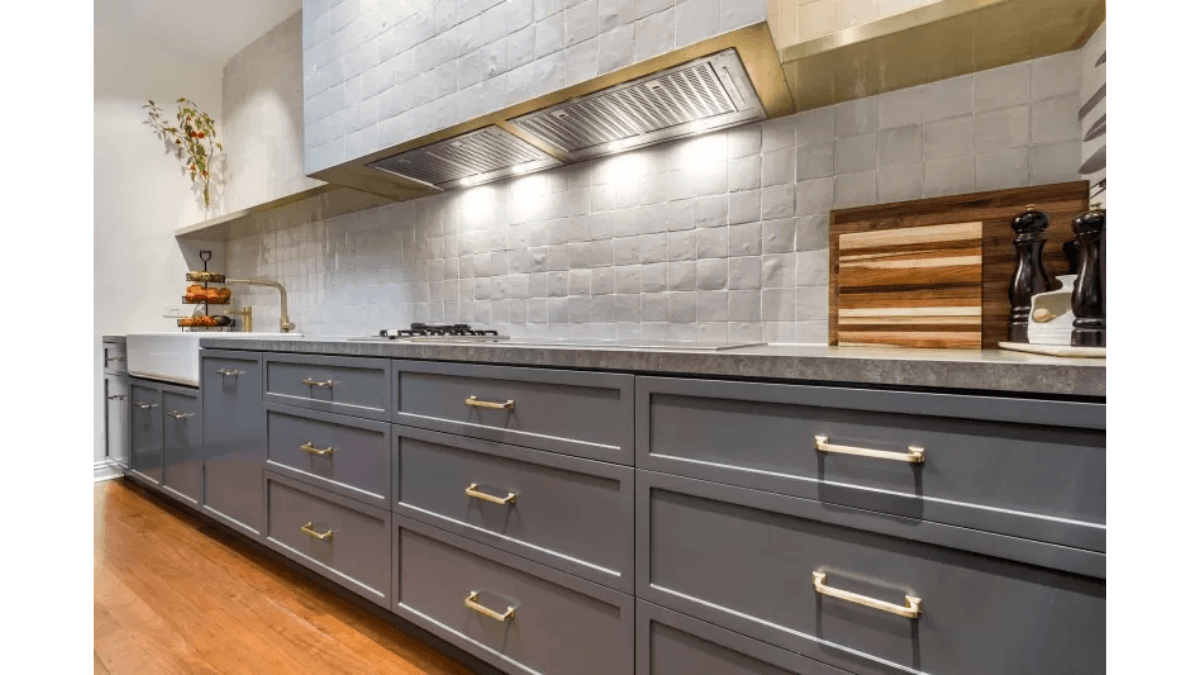
Selecting the right cabinet hardware is often underestimated, yet it plays a crucial role in both the functionality and overall look of any space. From kitchens and bathrooms to office cabinetry, the right handles, knobs, hinges, and drawer systems can elevate design while ensuring long-term usability. In a design-focused city like Melbourne, where style meets practicality, choosing the right cabinet hardware requires a thoughtful approach.
Understanding the Role of Cabinet Hardware in Modern Spaces
Cabinet hardware is more than just a finishing touch. It directly impacts how cabinets function and how a space feels visually. The right hardware can complement interior themes, improve accessibility, and enhance daily usability.
Well-selected hardware contributes to:
- Smooth operation of drawers and doors
- Better grip and ease of use
- Consistent design flow across interiors
- Increased lifespan of cabinetry
Ignoring these elements often leads to frequent repairs or mismatched aesthetics. Whether renovating or designing from scratch, hardware should be considered early in the planning stage.
Key Considerations When Choosing Cabinet Hardware
When exploring Cabinet Hardware Supplies Melbourne, it becomes important to evaluate not just appearance but also quality and compatibility. The local market offers a wide range of options, but not all are suitable for every project.
Several factors should guide the selection process:
- Material Quality: Stainless steel, brass, and aluminium offer durability and resistance to wear.
- Finish Options: Matte, brushed, polished, or antique finishes can influence the overall look.
- Ergonomics: Handles and knobs should feel comfortable and practical for everyday use.
- Compatibility: Hardware must align with cabinet size, weight, and usage frequency.
Choosing based on these elements ensures both visual appeal and long-term performance without frequent replacements.
Matching Hardware with Interior Design Styles
Cabinet hardware should align with the overall design theme of the space. A mismatch can disrupt the visual harmony, even if the hardware itself is high quality.
Different styles require different hardware choices:
- Modern Interiors: Sleek handles, minimalistic designs, and matte finishes
- Traditional Spaces: Ornate knobs, classic shapes, and antique finishes
- Industrial Designs: Raw metal finishes and bold, sturdy hardware
- Contemporary Homes: Clean lines with subtle detailing
The goal is to create consistency. Hardware should blend seamlessly rather than stand out awkwardly. Even small details like handle shape and spacing can significantly influence the final look.
Durability and Performance: What Truly Matters
Durability is one of the most critical aspects when selecting Cabinet Hardware Supplies Melbourne. High-traffic areas like kitchens and commercial spaces demand hardware that can withstand repeated use without losing functionality.
Important durability features include:
- Corrosion Resistance: Essential for kitchens and bathrooms
- Strong Mounting Mechanisms: Prevent loosening over time
- Smooth Hinges and Runners: Ensure silent and efficient operation
- Scratch-Resistant Finishes: Maintain appearance for longer periods
Investing in durable hardware reduces maintenance costs and improves overall user experience. It also ensures that cabinets remain functional and visually appealing for years.
Practical Tips for Making the Right Choice
Selecting cabinet hardware becomes easier with a clear approach. Instead of focusing only on trends, practical decision-making leads to better outcomes.
Helpful tips include:
- Measure cabinet dimensions before purchasing hardware
- Test handle grip and usability where possible
- Choose finishes that match existing fixtures, like taps and lighting
- Consider long-term usage rather than short-term appearance
- Opt for trusted materials over cheaper alternatives
Between design and durability, balance is key. Overly decorative hardware may look appealing initially but may not perform well in daily use.
Where Quality Meets Functionality in Melbourne
The demand for reliable Cabinet Hardware Supplies Melbourne continues to grow as homeowners and businesses prioritise both design and performance. Access to diverse styles and materials makes it easier to find suitable options, but informed decisions remain essential.
Quality cabinet hardware contributes to:
- Improved daily functionality
- Enhanced interior aesthetics
- Reduced maintenance and replacement costs
- Long-term value for residential and commercial spaces
Choosing the right hardware is not just about completing a cabinet; it is about ensuring that every interaction with that cabinet feels effortless and reliable.
General
Polycarbonate Roofing Sheets: Why They Are the Go-To Option for Outdoor Structures, Greenhouses, and Patios
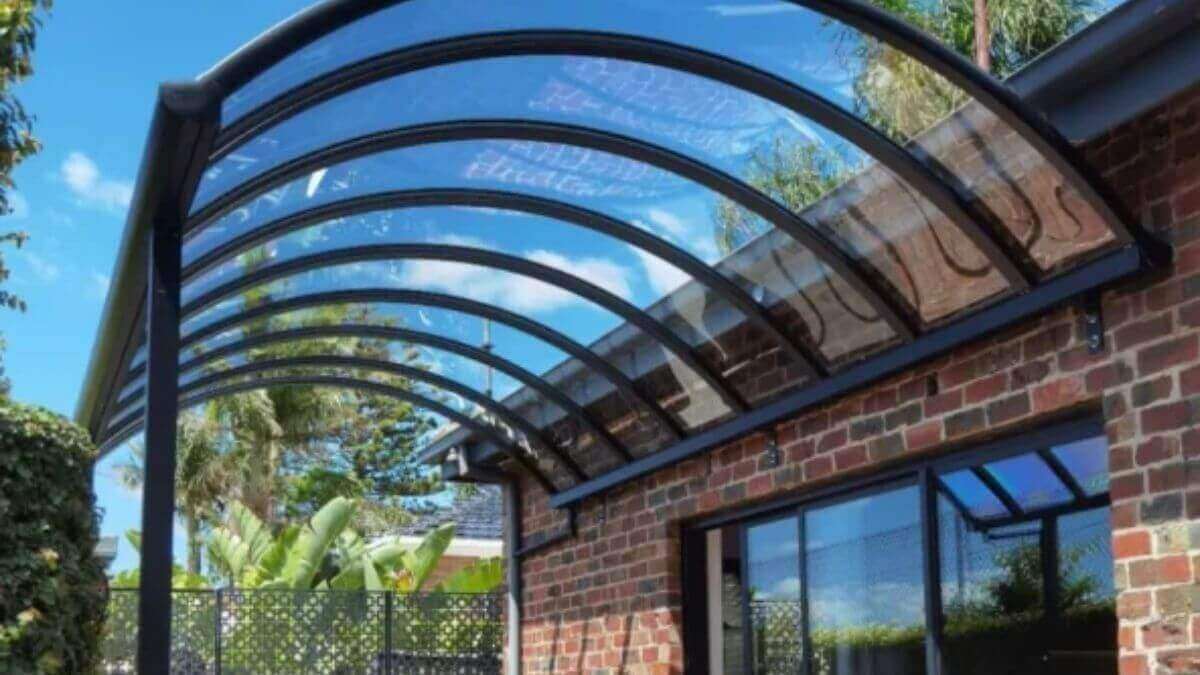
If you’re looking to upgrade your outdoor space, polycarbonate roofing sheets might just be the answer. Whether you’re building a greenhouse, patio, or any outdoor structure, these versatile sheets are becoming increasingly popular in Australia, especially in Melbourne, for their durability, insulation properties, and lightweight design. But what exactly makes polycarbonate roofing sheets the go-to option for outdoor structures? Let’s dive into the reasons why they’re such a favourite and how they can benefit your space.
What Are Polycarbonate Roofing Sheets?
Polycarbonate roofing sheets are a type of plastic sheeting used for various construction applications, primarily for outdoor structures. They are made from polycarbonate resin, which is known for being incredibly tough yet lightweight. These sheets are often used in greenhouses, patios, and other outdoor spaces to provide protection from the elements while allowing sunlight to pass through.
Tough yet Lightweight
Polycarbonate roofing is durable, making it a great choice for areas that need to withstand harsh weather, yet it is still much lighter than glass alternatives.
UV Protection
Polycarbonate roofing sheets come with UV filters that protect against harmful rays, making them perfect for structures where you need to block the sun but still let in the light.
Why Polycarbonate Roofing Sheets Are Ideal for Outdoor Structures, Greenhouses, and Patios
Here’s why polycarbonate roofing sheets are a great fit for a variety of applications around your home or garden:
1. Incredible Durability
If you’re building a structure that needs to withstand the elements, polycarbonate roofing sheets are tough cookies. They’re resistant to impacts, UV rays, and extreme temperatures, which means you don’t have to worry about them cracking or fading after a few seasons.
Resistant to Impact
Polycarbonate is much more impact-resistant than glass, making it less likely to break in heavy winds or hail.
Weatherproof
These sheets stand up well against Australia’s hot summers, cold winters, and rainstorms, offering long-lasting protection for your outdoor space.
2. Great Light Transmission
One of the biggest advantages of polycarbonate roofing sheets is their ability to transmit light. They allow natural light to pour into your greenhouse or patio while blocking harmful UV rays. This feature makes them ideal for plants in greenhouses and spaces where you want to enjoy sunlight without overheating.
Light Diffusion
Polycarbonate roofing provides even light distribution, making it perfect for greenhouses where consistent light levels are important.
UV Filtering
These roofing sheets filter out harmful UV rays, protecting both your plants and skin from excessive sun exposure.
3. Energy Efficiency
Polycarbonate roofing is also an energy-efficient choice. Its insulating properties help maintain a more stable temperature inside structures like greenhouses, patios, or carports. By reducing the need for additional heating or cooling, polycarbonate roofing can help reduce energy bills.
Thermal Insulation
Polycarbonate roofing sheets keep the heat out during summer and retain warmth in winter, making your outdoor space more comfortable all year round.
Energy Savings
With their insulating properties, you’ll save on energy bills by reducing reliance on air conditioning or heating.
4. Lightweight and Easy to Install
Unlike glass, polycarbonate sheets are lightweight, making them easy to handle and install. This means quicker and easier construction of your outdoor space, whether it’s a new patio, carport, or greenhouse.
Ease of Installation
Polycarbonate sheets are lightweight and easy to work with, saving both time and effort during installation.
No Heavy Lifting
Their light weight makes polycarbonate sheets easier to transport and handle compared to traditional roofing materials like glass.
5. Cost-Effective
Polycarbonate roofing sheets are an affordable option when it comes to covering outdoor spaces. While they provide the benefits of durability, light transmission, and energy efficiency, they’re often cheaper than alternatives like glass or acrylic.
Affordable
Polycarbonate roofing is generally more cost-effective than glass, making it a great choice for large outdoor projects like greenhouses.
Long-Term Investment
Though the upfront cost might be slightly higher than some materials, polycarbonate sheets save you money in the long run with their durability and energy efficiency.
Applications of Polycarbonate Roofing Sheets in Melbourne and Australia
Polycarbonate roofing sheets are used in a wide range of outdoor applications, making them incredibly versatile for homeowners and businesses alike. Below are some of the most common uses:
- Greenhouses: Polycarbonate roofing is perfect for greenhouses because it allows plants to receive ample light while blocking harmful UV rays.
- Patios: Whether it’s for a home or restaurant, polycarbonate sheets create a comfortable outdoor area where you can relax in the shade without sacrificing light.
- Pergolas: These outdoor structures benefit from polycarbonate roofing as they provide weather protection while still maintaining natural lighting.
- Carports: Protect your vehicle from the elements with polycarbonate roofing, which offers shelter from rain and sun without the heavy weight of glass.
Conclusion
Polycarbonate roofing sheets Melbourne are a fantastic choice for anyone looking to build or upgrade an outdoor structure in Melbourne or anywhere in Australia. Whether you’re building a greenhouse, patio, or pergola, these sheets offer a perfect balance of durability, light transmission, energy efficiency, and cost-effectiveness.
By choosing polycarbonate, you’re ensuring that your structure remains strong and weather-resistant, all while enjoying plenty of natural light. So, if you’re planning your next outdoor project, consider polycarbonate roofing sheets—they’re the practical, long-lasting solution that delivers great value and performance.
FAQs
1. How long do polycarbonate roofing sheets last?
Polycarbonate roofing sheets are incredibly durable and can last up to 20-30 years when properly installed and maintained, depending on environmental conditions.
2. Are polycarbonate roofing sheets safe for greenhouses?
Yes, they are perfect for greenhouses as they allow natural light to pass through while protecting plants from harmful UV rays.
3. How do polycarbonate roofing sheets compare to glass?
Polycarbonate roofing sheets are much lighter than glass, provide better insulation, and are more impact-resistant, making them safer and more practical for outdoor use.
4. Can polycarbonate sheets be used in all weather conditions?
Yes, polycarbonate roofing sheets are weatherproof, able to withstand rain, hail, and extreme temperatures without cracking or deteriorating.
5. Are polycarbonate roofing sheets easy to install?
Absolutely! Polycarbonate sheets are lightweight, making them easy to handle and install, reducing the time and labour costs associated with roofing projects.

A Local’s Perspective on Choosing the Right Plumber in Altona

From Design to Durability: Choosing the Right Cabinet Hardware in Melbourne

A Closer Look at WordPress Web Hosting in Australia: Tools, Features, and Real Benefits

Eastern Eats: 6 Must-Try Restaurants in Melbourne’s Eastern Suburbs

Why Community Participation in Alice Springs Matters: Bridging Gaps, Enhancing Opportunities, and Building Stronger Communities

The Role of Speech Therapy in Treating Common Speech & Language Disorders
-
 Food10 months ago
Eastern Eats: 6 Must-Try Restaurants in Melbourne’s Eastern Suburbs
-
 Healthcare10 months ago
Why Community Participation in Alice Springs Matters: Bridging Gaps, Enhancing Opportunities, and Building Stronger Communities
-
 General10 months ago
The Role of Speech Therapy in Treating Common Speech & Language Disorders
-

 Healthcare10 months ago
Don’t Let Heel Pain Rule Your Life: Why Heel Pain Specialists in Sydney Are the Experts You Need
-

 Healthcare10 months ago
Supporting Your NDIS Journey in Sydney: Why Partnering with a Skilled Provider Can Make a Lasting Difference in Your Life
-
 General10 months ago
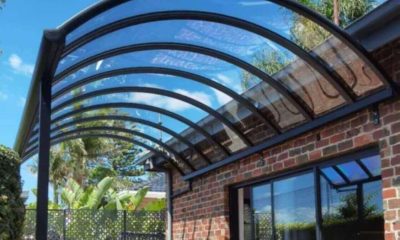
Polycarbonate Roofing Sheets: Why They Are the Go-To Option for Outdoor Structures, Greenhouses, and Patios
-

 Healthcare10 months ago
Managing Chronic Conditions with Ease: Understanding the EPC Plan
-

 Healthcare10 months ago
Partial Nail Avulsion (PNA): A Quick and Effective Solution for Ingrown Toenails